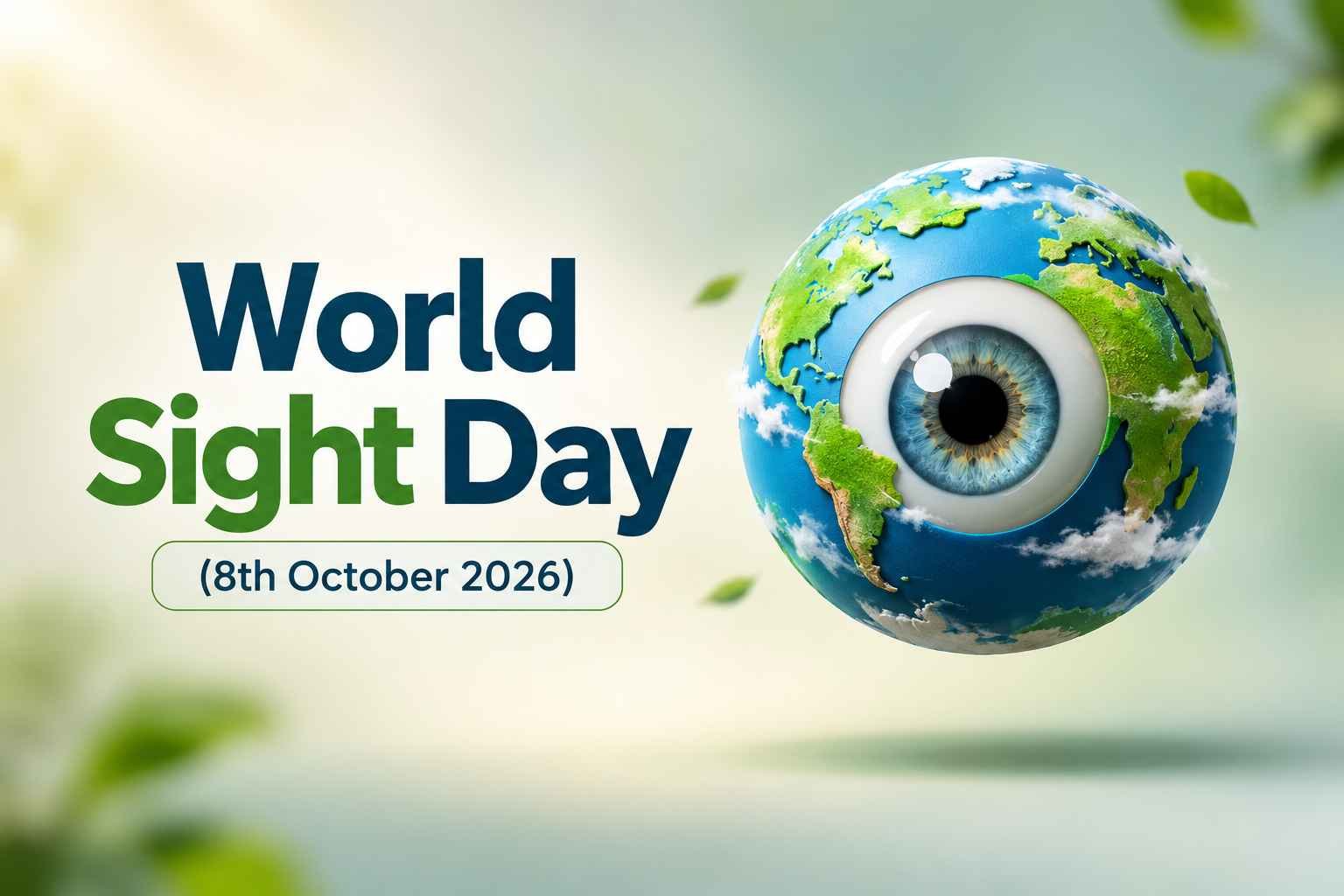
Clear vision today does not always mean healthy eyes tomorrow. World Sight Day 2026 is an important opportunity to look beyond how clearly you can see and consider the overall health of your eyes. Many eye conditions can develop gradually without noticeable symptoms during their early stages. A person may read, drive, and work comfortably while changes are already taking place inside the eye. Regular examinations can help identify these problems before they begin affecting everyday vision.
Why Clear Vision Does Not Always Mean Healthy Eyes
Vision is only one part of eye health. Some conditions can progress quietly before noticeable changes occur. Glaucoma, diabetic eye disease, retinal disorders, and other problems may not cause obvious symptoms in their early stages.
This is why waiting until your vision becomes blurry is not always the best approach. A comprehensive examination can assess more than visual sharpness and may identify changes that require monitoring or treatment.
People who are concerned about their eye health can consult an eye care hospital in Vadodara to understand how frequently they should have their eyes examined based on their age, health, and individual risk factors.
What Happens During a Routine Eye Check-Up?
A routine eye examination can involve several assessments depending on the patient’s age and circumstances. An eye-care professional may check visual acuity, eye pressure, the health of the front of the eye, and the condition of structures at the back of the eye.
Additional tests may be recommended when there is a particular risk or symptom. People with diabetes, high blood pressure, a family history of certain eye diseases or previous eye problems may need closer monitoring.
Choosing the best eye hospital in Vadodara can help patients access appropriate diagnostic facilities and professional guidance as part of their long-term eye-care routine.
Who Should Have Regular Eye Examinations?
Everyone can benefit from appropriate eye care, but the recommended frequency of examinations may vary. Children require vision assessments as their visual system develops, while adults may need more regular monitoring as they age.
People with diabetes or other health conditions that can affect the eyes should follow their doctor’s recommendations regarding eye examinations. Those with a family history of glaucoma or other eye conditions may also benefit from discussing their individual risk with an ophthalmologist.
Regular appointments can be particularly valuable for older adults, as the risk of several age-related eye conditions increases over time.
World Sight Day 2026 and the Importance of Prevention
World Sight Day 2026 provides a reminder that eye health should be approached proactively rather than only when a problem becomes obvious. Prevention includes understanding personal risk factors, attending appropriate examinations and seeking professional advice when changes occur.
Small vision changes should not automatically be attributed to tiredness or ageing. Difficulty reading, increased glare, new floaters, flashes, distorted vision, or a gradual reduction in visual clarity can all warrant professional assessment.
If you are looking for the best eye treatment in Vadodara, an examination should be the starting point for understanding the cause of any visual concern rather than choosing treatment based only on symptoms.
Can Your Lifestyle Affect Eye Health?
Daily habits can contribute to overall eye health. Spending excessive time on screens, inadequate sleep, smoking, and prolonged exposure to sunlight without appropriate protection can all influence ocular comfort and long-term health in different ways.
A balanced diet is also part of a healthy lifestyle. Nutrients obtained from a varied diet contribute to normal bodily functions, including those involved in maintaining healthy eyes.
Nutrients for Sight and Everyday Eye Health
A balanced diet can provide nutrients for sight such as vitamin A, vitamin C, vitamin E, zinc, lutein and zeaxanthin, depending on the foods included. These nutrients should be considered as part of overall nutrition rather than as a substitute for professional eye care.
No particular food can guarantee freedom from eye disease. If you have concerns about your vision or nutritional needs, discussing them with an appropriate healthcare professional can provide more personalised guidance.
Eye Problems That Can Develop Without Obvious Symptoms
Some eye conditions can remain unnoticed because the brain can adapt to gradual changes or because one eye compensates for reduced vision in the other.
Glaucoma is a well-known example where early damage may occur without obvious symptoms. Certain retinal conditions can also progress before a person notices significant changes in everyday vision.
This makes routine examinations important, particularly for people who have risk factors. A comprehensive assessment at an eye care hospital in Vadodara can help determine whether additional monitoring is appropriate.
Why Family History Matters
Your family history can provide important information about your potential risk of certain eye conditions. If close relatives have had glaucoma, retinal disorders, or other significant eye diseases, mention this during an eye examination.
Family history does not mean that you will necessarily develop the same condition. However, it may influence how frequently your eyes should be monitored and which examinations may be appropriate.
An ophthalmologist can consider your age, medical history, lifestyle, and family history when developing an appropriate eye-care plan.
When Should You Seek Eye Care Between Routine Check-Ups?
Regular examinations are important, but you should not necessarily wait for your next scheduled appointment if you notice a sudden change in your vision.
Seek prompt professional attention if you experience sudden vision loss, a sudden increase in floaters, flashes of light, a dark curtain or shadow across your vision, significant eye pain or other unexpected changes.
For ongoing concerns that are not emergencies, arranging an assessment at the best eye hospital in Vadodara can help identify the underlying cause and determine whether treatment or monitoring is needed.
Making Eye Check-Ups Part of Your Health Routine
Eye examinations should be viewed as part of general health maintenance rather than something reserved for people who wear glasses. Keeping track of appointments and following recommendations for follow-up can make it easier to identify changes over time.
Parents can also encourage children to develop healthy eye-care habits early. Adults should continue appropriate examinations as they age, particularly when risk factors are present.
If a condition is identified, early management may help preserve useful vision and reduce the likelihood of complications. The best eye treatment in Vadodara will always depend on the specific condition, its severity, and the individual’s overall health.
A Clear Reminder for World Sight Day 2026
World Sight Day 2026 is a chance to remember that protecting vision involves more than reacting when eyesight becomes blurry. Regular eye examinations, healthy lifestyle choices, and timely attention to unusual symptoms can all contribute to better long-term eye health.
You do not have to wait until something feels wrong to have your eyes checked. Even people with apparently clear vision may benefit from professional assessment at appropriate intervals.
At Desai Eye Hospitals, patients can receive comprehensive eye evaluations and professional guidance tailored to their individual needs. Whether you need routine monitoring or further assessment for a specific concern, taking action early can be an important part of maintaining healthy vision.
Do not wait for a vision problem to become noticeable. Contact us today to schedule your eye examination and take a proactive step towards protecting your sight.