

Imagine losing parts of your vision so slowly that you barely notice it until daily activities become difficult. That is the reality of glaucoma, a serious eye condition often called the “silent thief of sight.” Many people do not experience pain or obvious symptoms in the early stages, which is why glaucoma damage is frequently discovered only after permanent vision loss has already occurred.
One of the most common questions patients ask is, “Can glaucoma be cured?” The truth is that while glaucoma damage cannot be reversed, it can often be controlled with timely diagnosis, proper monitoring, and advanced treatment. Understanding how glaucoma affects the eyes is the first step toward protecting your vision for the future.
What Is Glaucoma Eye Disease?
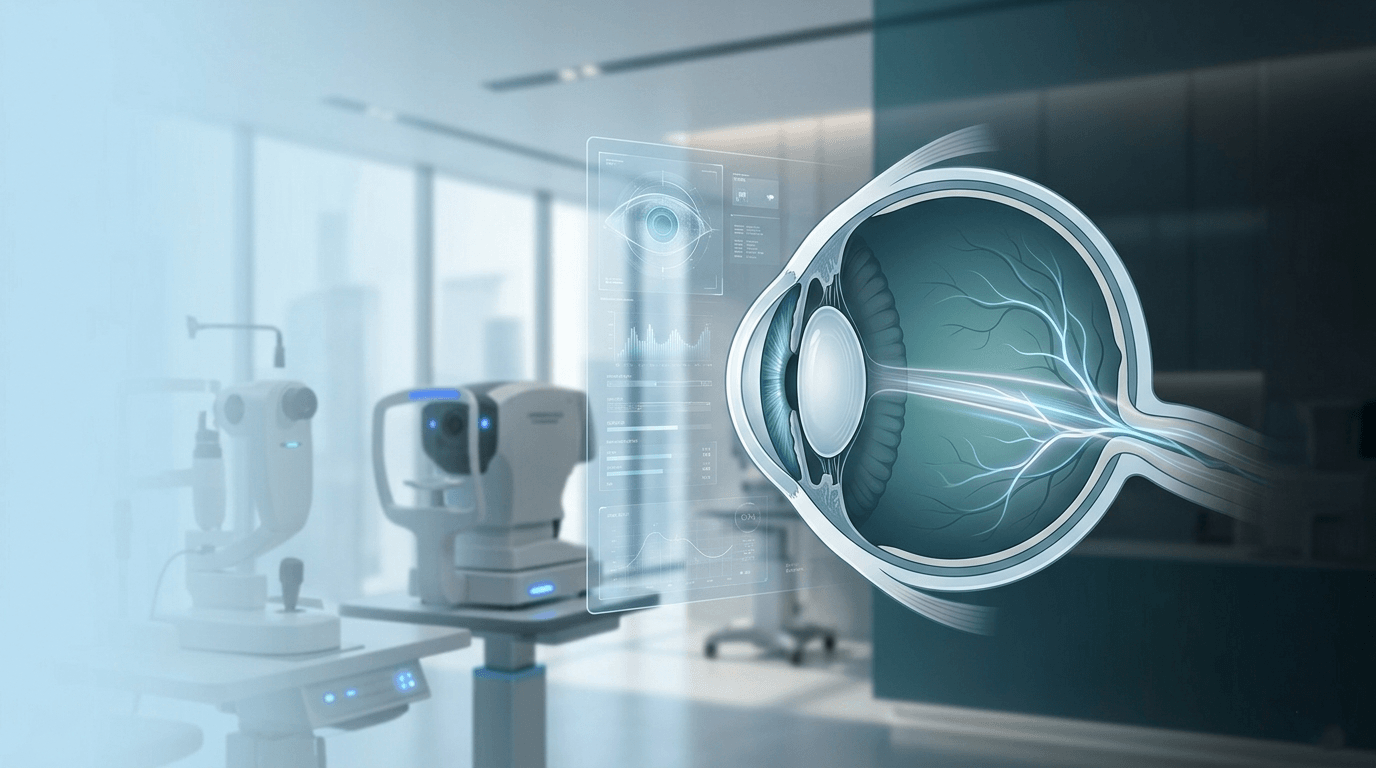
Glaucoma eye disease is a group of eye conditions that damage the optic nerve, the part of the eye responsible for carrying visual information from the eye to the brain. This optic nerve damage glaucoma causes is usually linked to increased pressure inside the eye, although glaucoma can also occur even with normal eye pressure.
The optic nerve contains millions of delicate nerve fibers. Once these nerve fibers are damaged, they do not regenerate naturally. This is why glaucoma vision loss is considered permanent.
Without treatment, glaucoma can gradually narrow peripheral vision and eventually increase the risk of glaucoma blindness. In severe cases, total vision loss may occur.
Why Glaucoma Damage Cannot Be Reversed
Unlike some tissues in the body, the optic nerve cannot repair itself once it is damaged. Glaucoma slowly destroys nerve fibers that are essential for vision. When these fibers die, the brain no longer receives complete visual signals.
This means that any vision already lost from glaucoma damage cannot be restored through medication, surgery, or glasses.
However, modern glaucoma treatment options are highly effective in slowing or stopping further damage. The main goal of treatment is to protect the remaining healthy vision before additional nerve damage occurs.
That is why early detection plays such a critical role in long-term eye health.
Early Signs of Glaucoma You Should Never Ignore
One of the biggest challenges of glaucoma eye disease is that many people experience no symptoms during the early stages. By the time vision changes become noticeable, significant optic nerve damage or glaucoma may already have occurred.
Still, certain warning signs should not be ignored:
- Gradual loss of side vision
- Blurred vision
- Eye pain or pressure
- Seeing halos around lights
- Frequent headaches
- Redness in the eyes
- Difficulty adjusting to dark rooms
- Sudden vision disturbances
Recognizing the early signs of glaucoma and scheduling timely eye examinations can help reduce the risk of permanent vision loss.
People over the age of 40, individuals with diabetes, high blood pressure, a family history of glaucoma, or prolonged steroid use may have a higher risk of glaucoma blindness and should undergo regular eye checkups.
How Doctors Control Glaucoma Damage
Although lost vision cannot be recovered, glaucoma damage control is possible with advanced medical care and long-term monitoring.
The primary focus of treatment is lowering eye pressure to reduce stress on the optic nerve. Different glaucoma treatment options may be recommended depending on the severity and type of glaucoma.
1. Glaucoma Eye Pressure Treatment
Eye pressure reduction is often the first line of defense against glaucoma damage. Prescription eye drops help improve fluid drainage or reduce fluid production inside the eye.
In many patients, consistent use of medication successfully controls eye pressure and slows disease progression.
2. Laser Treatment
Laser procedures are commonly used when medications alone are not enough. These treatments improve fluid drainage from the eye and help maintain healthy pressure levels.
Laser glaucoma eye pressure treatment is minimally invasive and often completed within a short outpatient visit.
3. Glaucoma Surgery
Advanced glaucoma cases may require surgery to create new drainage pathways for eye fluid. Surgical procedures are designed to reduce pressure and preserve existing vision.
Modern surgical techniques have significantly improved patient comfort and recovery outcomes.
4. Regular Monitoring
Glaucoma management is not a one-time treatment. Patients need ongoing eye exams, optic nerve evaluations, visual field testing, and eye pressure monitoring to ensure the condition remains stable.
Regular follow-ups are essential for effective glaucoma damage control.
Can Glaucoma Be Cured?
Many patients search online asking, “Can glaucoma be cured?” Unfortunately, there is currently no permanent cure for glaucoma. Once vision is lost, it cannot be brought back.
However, glaucoma can absolutely be managed successfully when diagnosed early. Millions of people around the world continue living normal, active lives because their glaucoma was identified and treated before severe damage occurred.
The key is consistency with treatment and regular eye care.
Why Early Diagnosis Makes a Huge Difference
The earlier glaucoma is diagnosed, the better the chances of preserving long-term vision. Routine eye exams can detect pressure changes and optic nerve abnormalities before symptoms appear.
Comprehensive glaucoma screening usually includes:
- Eye pressure testing
- Optic nerve examination
- Visual field testing
- Corneal thickness measurement
- Retinal imaging
Visiting a trusted Eye specialist in Vadodara for preventive eye checkups can help detect glaucoma early and reduce future complications.
Living Safely With Glaucoma
Being diagnosed with glaucoma does not mean blindness is inevitable. With proper care, many patients maintain stable vision for years.
Here are a few practical tips for managing glaucoma effectively:
- Use prescribed eye drops regularly
- Never skip follow-up appointments
- Inform your doctor about all medications you take
- Maintain healthy blood pressure and diabetes control
- Avoid self-medication for eye problems
- Seek immediate care for sudden vision changes
Partnering with experienced and trusted eye specialists in Vadodara can make a significant difference in preserving eye health.
Protect Your Vision Before It Is Too Late
Glaucoma damage may be permanent, but timely treatment can help protect the vision you still have. The biggest mistake many people make is waiting for symptoms before scheduling an eye examination.
At Desai Eye Hospital, patients receive advanced glaucoma evaluation and personalized treatment plans designed to support long-term vision health. With experienced specialists, modern diagnostic technology, and a patient-focused approach, the hospital continues to provide some of the best eye treatment in Vadodara for glaucoma and other complex eye conditions.
If you or your loved one is experiencing glaucoma symptoms or has a family history of glaucoma eye disease, scheduling an early eye checkup could help protect your eyesight for years to come.