

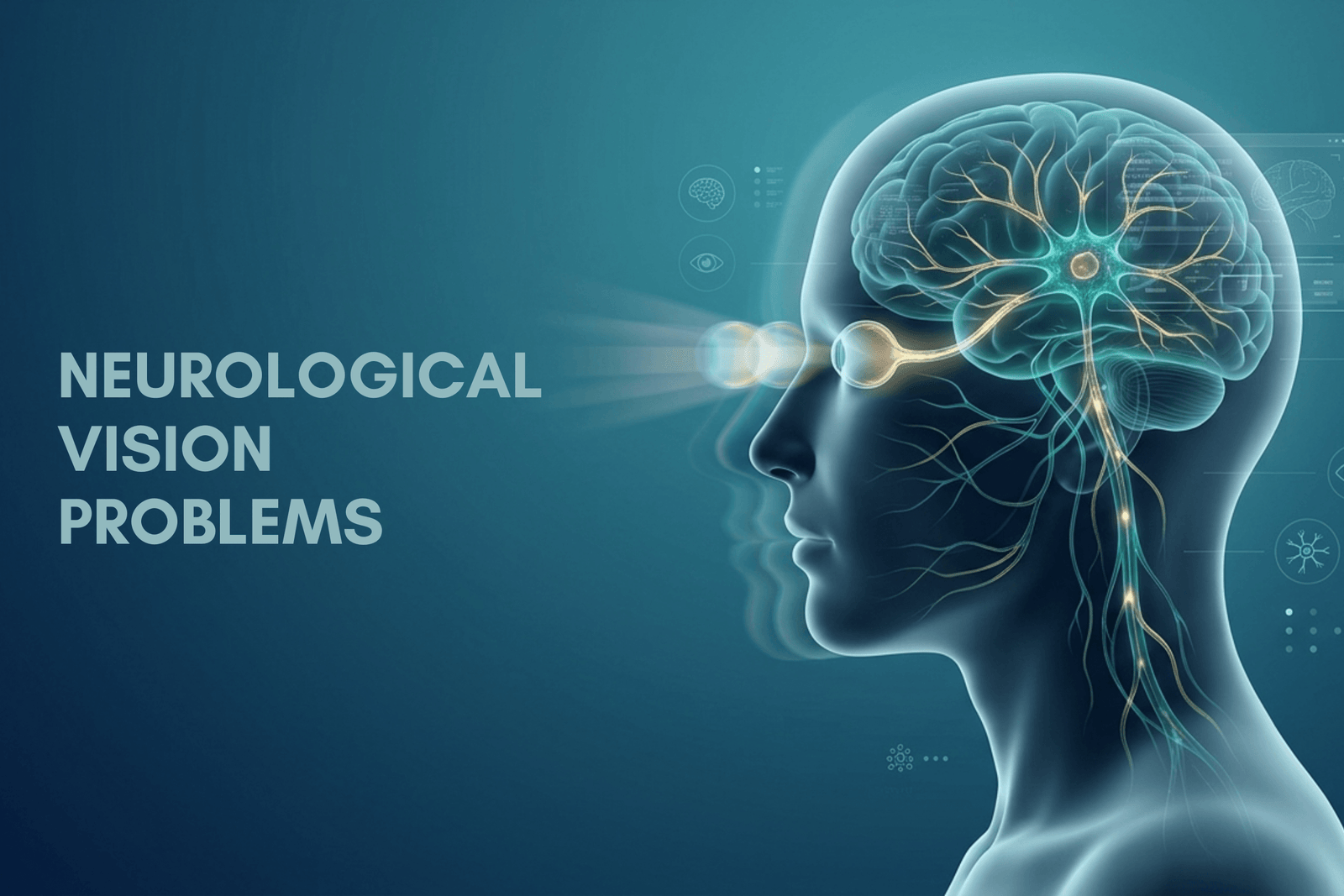
Vision problems are not always caused by eye conditions alone. In many cases, the eyes can become the first place where neurological disorders begin to show warning signs. Sudden blurry vision, double vision, difficulty focusing, unexplained headaches, or changes in peripheral vision may sometimes point toward underlying brain or nerve-related conditions rather than a simple eye problem.
Many people ignore these symptoms, assuming they are temporary or caused by stress, screen time, or fatigue. However, neurological vision problems can sometimes indicate serious health concerns that require timely diagnosis and treatment. Understanding the connection between the brain and vision can help patients seek medical attention before complications become severe.
How the Brain and Eyes Work Together
Vision is not controlled by the eyes alone. The brain plays a major role in processing everything we see. The eyes collect visual information, but the brain interprets colors, shapes, movement, depth, and focus through a network of nerves and visual pathways.
When any part of this neurological system becomes affected, vision changes may occur. Problems involving the optic nerve, brain stem, visual cortex, or cranial nerves can all lead to neurological eye symptoms that should never be ignored.
In many cases, patients first visit an eye doctor because of visual disturbances, only to later discover an underlying neurological condition.
Common Neurological Vision Problems
Several brain and nerve-related disorders can affect vision. Some symptoms may appear gradually, while others happen suddenly.
Blurry Vision Linked to Neurological Causes
Blurry vision neurological causes can include conditions such as migraines, multiple sclerosis, optic neuritis, stroke, or increased pressure inside the brain. Unlike regular refractive errors, neurological blurry vision may come with dizziness, headaches, numbness, or difficulty speaking.
Patients often notice:
- Sudden difficulty focusing
- Blurred central or side vision
- Temporary vision loss
- Visual distortions
- Light sensitivity
These symptoms should always be evaluated carefully, especially when they appear unexpectedly.
Double Vision and Neurological Conditions
A double-vision neurological condition occurs when the nerves controlling eye movement are affected. This can happen due to:
- Stroke
- Brain aneurysm
- Multiple sclerosis
- Diabetes-related nerve damage
- Brain tumors
- Cranial nerve palsy
Double vision may occur constantly or intermittently. Some people experience worsening symptoms while reading, driving, or focusing on nearby objects. Because this symptom can sometimes signal a medical emergency, prompt evaluation is extremely important.
Brain-Related Vision Problems
Brain-related vision problems may affect how patients interpret visual information, even when the eyes themselves appear healthy. Conditions affecting the visual processing areas of the brain can lead to:
- Loss of peripheral vision
- Difficulty recognizing faces or objects
- Problems with depth perception
- Trouble coordinating eye movements
- Visual hallucinations
- Difficulty reading despite normal eyesight
These symptoms often require both ophthalmic and neurological evaluation for accurate diagnosis.
Neurological Disorders That Commonly Affect Vision
Several neurological conditions are known to cause vision problems.
Stroke
A stroke can suddenly interrupt blood flow to parts of the brain responsible for vision. Patients may experience:
- Sudden vision loss
- One-sided visual field loss
- Double vision
- Difficulty focusing
- Trouble understanding visual information
Immediate medical attention is critical because early treatment can significantly improve outcomes.
Multiple Sclerosis
Multiple sclerosis frequently affects the optic nerve, causing inflammation known as optic neuritis. Symptoms may include:
- Pain during eye movement
- Blurred vision
- Reduced color vision
- Temporary vision loss
In some patients, eye symptoms become the first sign of the disease.
Brain Tumors
Certain brain tumors may place pressure on visual pathways or nerves. Symptoms can develop slowly and may include:
- Persistent headaches
- Peripheral vision loss
- Double vision
- Progressive blurry vision
Early detection plays an important role in treatment planning.
Migraine With Visual Aura
Migraines can create temporary neurological eye symptoms before or during headaches. Patients may see:
- Flashing lights
- Zigzag patterns
- Blind spots
- Temporary blurred vision
Although migraines are common, recurring visual disturbances should still be evaluated properly.
Parkinson’s Disease and Other Neurodegenerative Disorders
Neurological disorders such as Parkinson’s disease may affect blinking, eye coordination, and visual processing. Patients may experience:
- Difficulty tracking movement
- Dry eyes
- Blurry vision
- Reduced contrast sensitivity
These symptoms can impact daily activities and overall quality of life.
Warning Signs You Should Never Ignore
Certain symptoms may indicate serious neurological vision problems and require urgent medical evaluation.
Seek immediate care if you experience:
- Sudden vision loss
- Persistent double vision
- Severe headaches with visual changes
- Vision problems with numbness or weakness
- Difficulty speaking, along with blurry vision
- Sudden loss of peripheral vision
- Eye movement abnormalities
Early diagnosis can help prevent long-term complications and may even save vision or life in some cases.
How Eye Specialists Help Detect Neurological Conditions
Modern eye examinations can reveal much more than changes in eyesight. Advanced diagnostic tools allow specialists to examine the optic nerve, retina, eye movement, and visual pathways in detail.
Comprehensive eye evaluations may include:
- Retinal imaging
- Visual field testing
- OCT scans
- Eye movement assessment
- Neurological vision testing
In many cases, eye doctors work closely with neurologists to identify the root cause of symptoms.
Patients searching for a trusted eye specialist in Vadodara should look for a center that combines advanced eye diagnostics with experienced medical expertise.
Why Early Diagnosis Matters
Ignoring neurological eye symptoms can delay the diagnosis and treatment of serious underlying conditions. Many neurological disorders gradually progress over time, and early medical intervention often plays a crucial role in improving long-term outcomes. Timely treatment may help prevent permanent vision loss, reduce neurological complications, improve overall quality of life, slow disease progression, and support faster recovery.
However, many patients assume that vision changes are simply related to age, stress, or tiredness, which can lead to delayed care. Any unusual, sudden, or persistent vision changes should always be evaluated carefully to rule out neurological causes.
When to Visit an Eye Hospital
If you notice unexplained changes in your vision, scheduling a detailed eye examination is important. An experienced Eye Hospital in Vadodara can help identify whether symptoms are related to the eyes, nerves, or brain.
At Desai Eye Hospital, patients receive comprehensive eye evaluations using advanced diagnostic technology to detect both common and complex vision conditions. The team focuses on accurate diagnosis, patient-centered care, and personalized treatment planning for a wide range of neurological and ophthalmic concerns.
Whether you are experiencing blurry vision, neurological causes, unexplained double vision, or other brain-related vision problems, early consultation with experienced specialists can make a significant difference. If you are looking for trusted eye specialists in Vadodara or the best eye treatment in Vadodara, timely expert care can help protect both your vision and overall health.