

A slight blur while reading. Difficulty driving at night. Lights suddenly looking too bright. Many people ignore these early vision changes, assuming they are just a normal part of aging. But in many cases, these are the first signs that cataracts are beginning to affect daily life.
One of the most common questions patients ask is, “How do I know when cataract surgery is needed?” The answer is not always based on age alone. Eye doctors carefully evaluate symptoms, lifestyle impact, vision quality, and eye health before recommending surgery. Understanding the right timing can help prevent worsening vision problems and improve quality of life at the right stage.
What Are Cataracts?
A cataract develops when the natural lens of the eye becomes cloudy over time. This cloudiness blocks light from passing clearly through the eye, leading to gradual vision loss. Cataracts are commonly age-related, but they can also occur due to diabetes, long-term steroid use, eye injuries, or genetic factors.
In the early stages, glasses or brighter lighting may help manage symptoms. However, as cataracts progress, vision continues to decline, and surgery may become necessary.
Common Cataract Surgery Symptoms Doctors Look For
Eye doctors do not decide surgery based on one single symptom. Instead, they assess how much the cataract is interfering with normal daily activities.
Some common cataract surgery symptoms include:
- Blurry or cloudy vision
- Difficulty reading small text
- Glare or halos around lights
- Trouble driving at night
- Frequent changes in eyeglass prescription
- Faded or yellowish colors
- Double vision in one eye
- Increased sensitivity to light
Many patients experiencing blurry vision cataract surgery concerns often notice that glasses no longer improve their sight the way they used to.
When Is Cataract Surgery Needed?
The decision about when to have cataract surgery depends on how much vision loss affects daily life. Doctors usually recommend surgery when cataract vision problems begin interfering with activities such as:
- Reading
- Driving
- Working on screens
- Watching television
- Cooking
- Recognizing faces
- Walking safely outdoors
Some patients may still have moderate vision on eye charts but struggle significantly in real-life situations like night driving or bright sunlight. In such cases, cataract surgery needs discussions become important even if the cataract is not considered “fully mature.”
Modern eye care focuses more on quality of vision rather than waiting for cataracts to become severe.
Symptoms of Advanced Cataracts
If cataracts are left untreated for too long, they can become advanced and lead to serious visual limitations.
Symptoms of advanced cataracts may include:
- Severe blurred vision
- Difficulty seeing even during daytime
- Very poor night vision
- Increased glare sensitivity
- White or grey appearance in the pupil
- Frequent falls due to poor visibility
Advanced cataracts can sometimes make surgery more complex. That is why eye doctors often advise patients not to wait until vision becomes extremely poor before seeking treatment.
How Eye Doctors Evaluate Cataracts
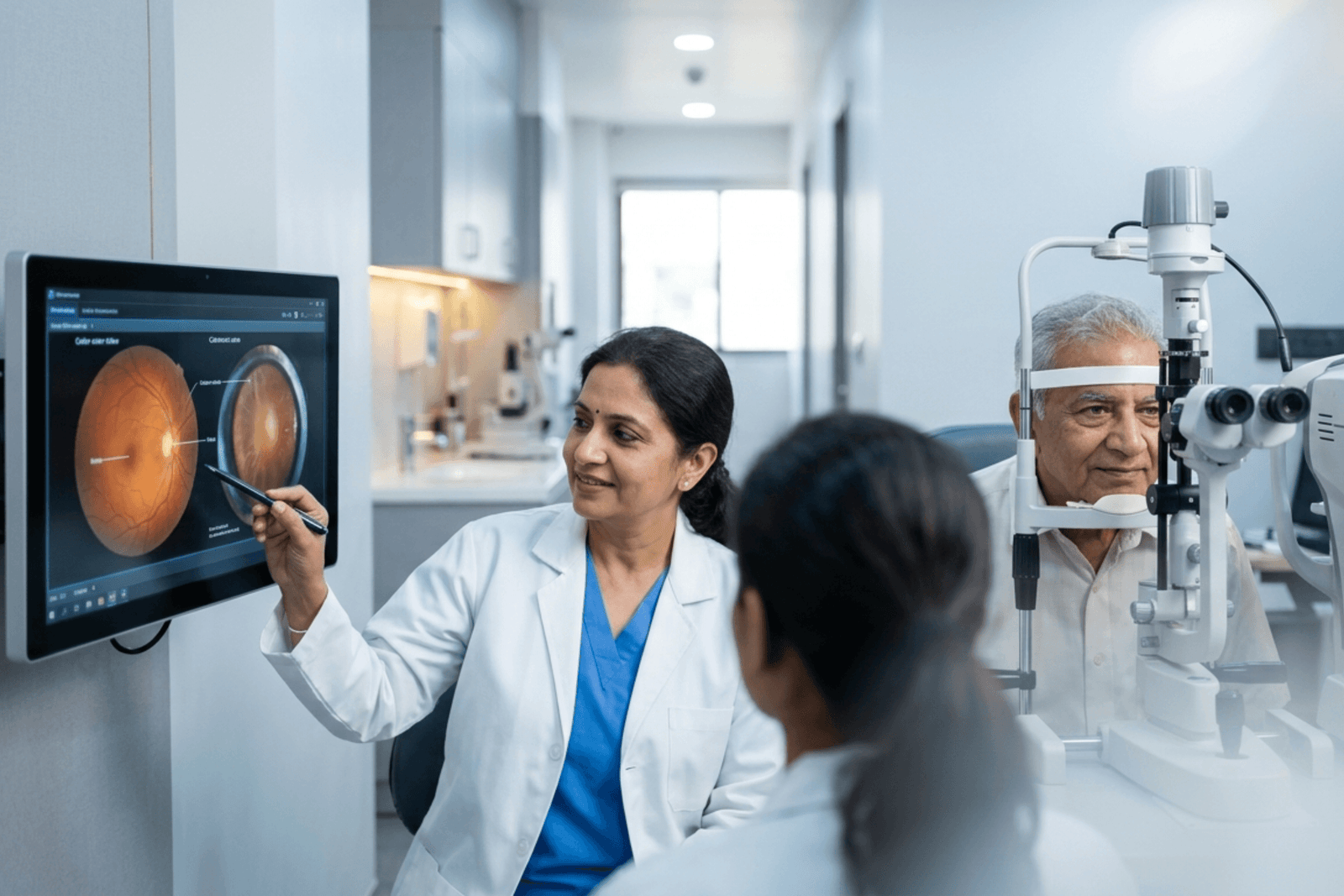
During a cataract surgery consultation, the doctor performs several detailed eye examinations to determine the severity of the cataract and the overall health of the eyes.
Vision Testing
The doctor checks how clearly you can see letters and objects at different distances.
Slit Lamp Examination
A specialized microscope allows the doctor to examine the cataract closely and identify how much clouding is present in the lens.
Retinal Examination
The retina and optic nerve are evaluated to ensure there are no other eye conditions affecting vision.
Lifestyle Assessment
Doctors also ask practical questions about your daily routine, work requirements, and driving habits to understand how vision problems are affecting your life.
This combination of medical evaluation and lifestyle analysis helps determine the best time for cataract surgery.
Cataract Treatment Options Available Today
Modern cataract treatment options are highly advanced and safer than ever before. Cataract surgery is now a quick and effective procedure that usually takes less than 30 minutes.
During surgery, the cloudy lens is removed and replaced with an artificial intraocular lens (IOL). Depending on the patient’s vision needs, different types of lenses may be recommended.
Monofocal Lenses
Designed to improve distance vision, usually requiring glasses for reading.
Multifocal Lenses
Help reduce dependency on glasses for both near and distance vision.
Toric Lenses
Correct cataracts along with astigmatism.
Eye doctors select the most suitable option based on the patient’s lifestyle, eye condition, and visual expectations.
Why Early Consultation Matters
Many people delay seeing a cataract eye specialist because they assume surgery can wait indefinitely. However, regular eye checkups help monitor progression and identify the ideal treatment timing before vision worsens significantly.
Early consultation is especially important for:
- Senior citizens
- Diabetic patients
- People with frequent glare issues
- Individuals struggling with night driving
- Patients experiencing rapid vision changes
Getting timely advice from trusted eye specialists in Vadodara can help patients make informed decisions and avoid complications related to delayed treatment.
Conclusion
Cataracts usually develop slowly, but the impact on daily life can increase faster than expected. The right time for surgery is not determined by age alone. Eye doctors carefully evaluate vision quality, symptoms, lifestyle challenges, and eye health before recommending treatment.
If you are experiencing cataract surgery symptoms such as blurry vision, glare sensitivity, or difficulty with daily activities, it may be time to schedule a cataract surgery consultation. Early evaluation helps preserve vision and allows treatment at the most appropriate stage.
At Desai Eye Hospital, patients receive advanced cataract evaluation and personalized treatment from experienced specialists dedicated to providing the best eye treatment in Vadodara. With modern technology and patient-focused care, the hospital helps individuals regain clearer and more comfortable vision with confidence.