

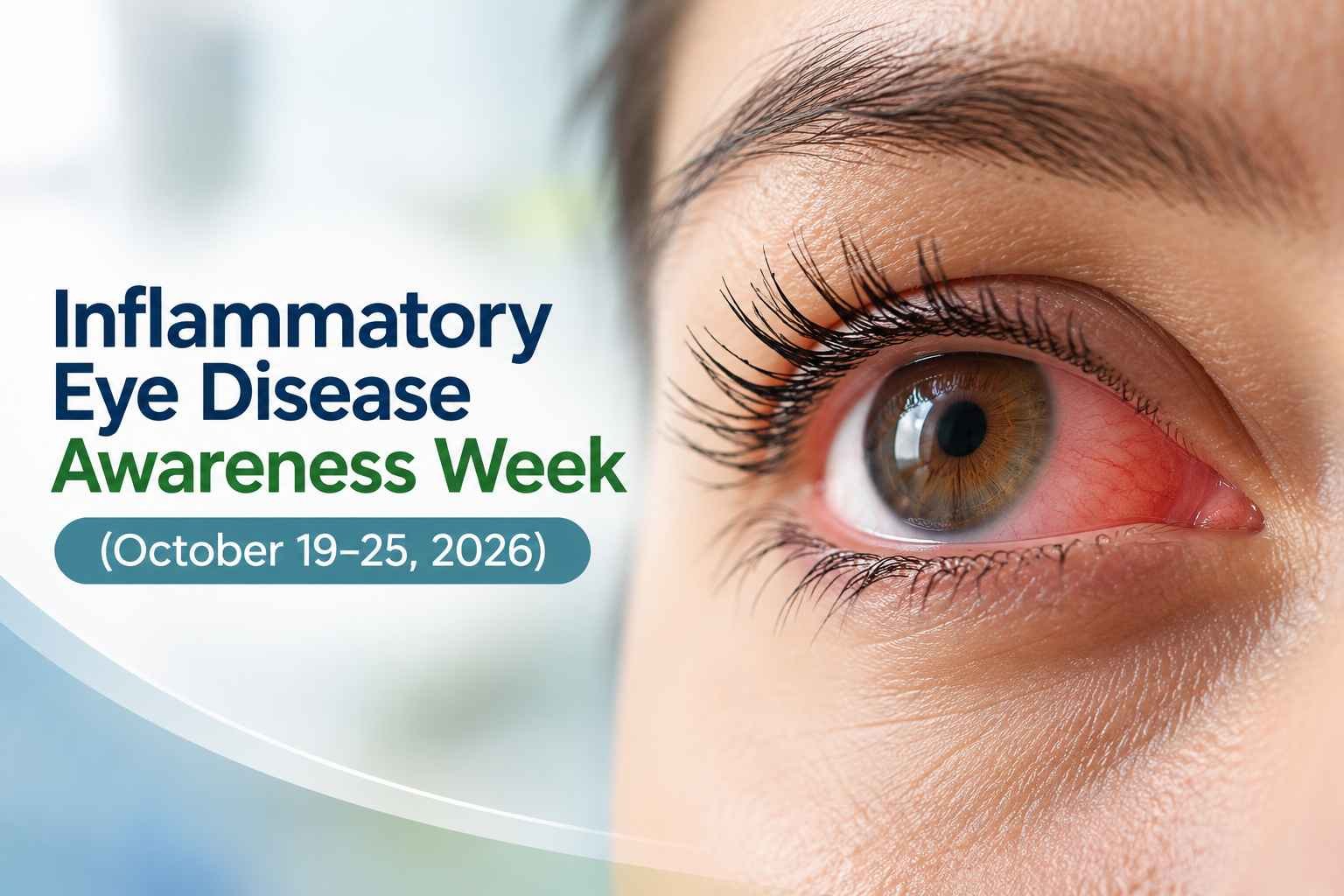
When your eyes signal distress, knowing the difference between irritation and inflammation can help protect your sight. Redness, pain, watering and sensitivity to light are common eye symptoms, but they do not always have the same cause. Some conditions affect the thin membrane covering the white of the eye, while others involve the cornea or deeper tissues.
During Inflammatory Eye Disease Awareness Week (October 19-25, 2026), understanding the differences between scleritis, keratitis and conjunctivitis can help people recognise warning signs and seek appropriate medical care. Although these conditions may share symptoms, their severity and treatment can differ considerably.
Understanding Inflammatory Eye Diseases
Inflammation is the body’s response to injury, irritation, infection or certain underlying medical conditions. In the eyes, it can affect different structures and cause symptoms ranging from mild discomfort to severe pain and impaired vision.
Conjunctivitis commonly affects the conjunctiva, the thin membrane covering the front of the eye and lining the inside of the eyelids. Keratitis involves inflammation of the cornea, the clear front surface that helps focus light. Scleritis affects the sclera, the tough outer layer that gives the eye much of its structure.
Because these conditions can look similar at first, a professional examination is important. Consulting the best eye hospital in Vadodara can help patients receive an appropriate assessment when symptoms are persistent, severe or unusual.
What Is Conjunctivitis?
Conjunctivitis, often called pink eye, occurs when the conjunctiva becomes inflamed. It may be caused by a virus, bacteria, an allergic reaction or exposure to an irritant.
Common symptoms include redness, watering, itching, a gritty sensation and discharge. Allergic conjunctivitis often causes prominent itching and may affect both eyes. Viral conjunctivitis can occur alongside cold-like symptoms, while bacterial conjunctivitis may produce thicker discharge.
Not every case requires antibiotic treatment. The appropriate management depends on the cause, which is why self-medicating with leftover eye drops is not advisable.
If symptoms persist or the diagnosis is unclear, the eye clinic in Vadodara can help determine whether the inflammation is due to infection, allergy or another condition requiring different treatment.
What Is Keratitis?
Keratitis is inflammation of the cornea. It can result from infection, injury, prolonged contact lens wear or other causes. Infectious keratitis may be caused by bacteria, viruses, fungi or, less commonly, other microorganisms.
Unlike uncomplicated conjunctivitis, keratitis can threaten vision because the cornea is essential for clear sight. Symptoms may include eye pain, redness, excessive watering, light sensitivity, blurred vision and a sensation that something is stuck in the eye.
Contact lens wearers should take particular care. Sleeping in lenses when not specifically prescribed for overnight use, exposing lenses to water or neglecting lens hygiene can increase the risk of corneal infection.
Suspected keratitis needs prompt medical assessment. A modern eye center in Vadodara can evaluate the cornea and help determine whether urgent treatment is needed.
What Is Scleritis?
Scleritis is inflammation of the sclera, the white outer layer of the eyeball. It is less common than conjunctivitis but can be considerably more serious.
Typical symptoms include deep, severe eye pain, redness that may appear dark red or violet, tenderness and pain that can spread towards the forehead, temple or jaw. Some people also experience blurred vision or sensitivity to light.
Scleritis may be associated with autoimmune or inflammatory diseases, although it can occur for other reasons. It requires prompt medical evaluation because complications can affect vision and, in some cases, the structural integrity of the eye.
People experiencing deep eye pain with significant redness should not assume they have ordinary pink eye. Seeking care at the best eye hospital in Vadodara can help identify the cause and support timely treatment.
Deadly Eye Infections: Warning Signs You Should Never Ignore
Most cases of conjunctivitis do not cause permanent vision loss, but certain infections involving the cornea or deeper eye structures can be sight-threatening. Severe pain, sudden blurred or reduced vision, marked light sensitivity, a white spot on the cornea or rapidly worsening redness should receive urgent medical attention.
The phrase deadly eye infections can be alarming, but serious outcomes are uncommon and depend on the type of infection and how quickly appropriate care is provided. The key is not to panic, but to recognise symptoms that need immediate assessment.
Do not use steroid eye drops or antibiotic medication without professional advice. The wrong treatment can worsen certain infections or delay the correct diagnosis.
Scleritis, Keratitis and Conjunctivitis Compared
Although all three conditions involve inflammation, they affect different parts of the eye and vary in severity, symptoms and treatment requirements.
- Conjunctivitis affects the conjunctiva, the thin membrane covering the white of the eye and lining the inner eyelids. It commonly causes redness, itching, watering or discharge. Depending on the cause, treatment may involve supportive care, allergy medication or prescribed antibiotics.
- Keratitis affects the cornea, the transparent front surface of the eye. Symptoms can include pain, light sensitivity, watering and blurred vision. Because some forms can damage the cornea and threaten sight, prompt assessment is important, particularly for contact lens wearers.
- Scleritis affects the sclera, the tough outer layer of the eyeball. It may cause deep, severe pain, significant redness and tenderness. In some cases, it is associated with autoimmune conditions and can lead to serious complications if not treated appropriately.
While these differences can help you understand the conditions, their symptoms may overlap. An examination at the best eye hospital in Vadodara can help establish the likely diagnosis and guide appropriate treatment.
How Are These Conditions Diagnosed?
An eye examination may include checking visual acuity, inspecting the eye under specialised lighting and examining the cornea and other structures. Depending on the suspected condition, the clinician may use additional tests or collect a sample to investigate an infection.
For scleritis, the assessment may also consider underlying inflammatory or autoimmune conditions. Keratitis may require closer examination of the cornea and, in some cases, laboratory testing. Conjunctivitis is often diagnosed clinically, although further testing may be needed in unusual or severe cases.
Choosing the eye clinic in Vadodara for professional assessment can help ensure that treatment is based on the likely cause rather than symptoms alone.
Treatment Options Depend on the Cause
There is no single treatment for every inflammatory eye disease. Management depends on the affected structure, severity and underlying cause.
Conjunctivitis may improve with supportive care, while bacterial cases may require prescribed antibiotics. Allergic conjunctivitis may be managed with suitable allergy treatments. Infectious keratitis often needs urgent, targeted medication, and some severe cases may require specialist procedures.
Scleritis may require anti-inflammatory medication and investigation of associated systemic disease. Treatment must be selected carefully because some medicines can be unsuitable for certain infections or underlying conditions.
A modern eye center in Vadodara can help patients understand their diagnosis and the next steps in treatment. Anyone with sudden vision changes or severe eye pain should seek urgent care rather than waiting for a routine appointment.
Can Inflammatory Eye Diseases Be Prevented?
Not every inflammatory eye condition can be prevented, particularly when it is associated with an underlying medical disorder. However, good eye-care habits can reduce some avoidable risks.
Wash your hands before touching your eyes or handling contact lenses. Follow the prescribed lens replacement schedule, use the recommended cleaning solution and avoid swimming or showering in contact lenses. Do not share eye makeup, towels or eye drops, and avoid using products that have expired or become contaminated.
People with recurrent inflammation or known autoimmune conditions should follow their clinician’s advice and seek assessment when new symptoms arise.
An annual eye checkup in Vadodara may be appropriate for many people, although the ideal frequency depends on age, medical history and individual risk factors. Anyone experiencing new symptoms should seek care without waiting for their next routine check-up.
Why Regular Eye Examinations Matter
Some eye conditions develop gradually, while others appear suddenly. Regular examinations can help identify certain problems early, particularly in people with diabetes, autoimmune disease, a history of eye inflammation or other risk factors.
An annual eye checkup in Vadodara can also provide an opportunity to discuss recurring redness, dry eye symptoms, contact lens discomfort or vision changes. Your eye-care professional can recommend a suitable examination schedule based on your circumstances.
Remember that routine screening is not a substitute for urgent assessment when warning signs appear. Severe pain, sudden visual changes and marked light sensitivity should always be taken seriously.
Protect Your Vision With Desai Eye Hospitals
Inflammatory Eye Disease Awareness Week (October 19-25, 2026) is a valuable reminder that redness and discomfort can have very different causes. Conjunctivitis often affects the surface membrane of the eye, keratitis involves the cornea and scleritis affects the deeper outer layer. Recognising these differences can help you understand why accurate diagnosis matters.
At Desai Eye Hospitals, patients can seek professional evaluation for eye redness, inflammation, discomfort and other changes in vision. Timely assessment helps determine the appropriate care and whether further investigation is required.
Experiencing persistent redness, eye pain or changes in your vision? Contact us to arrange an eye examination and receive guidance tailored to your eye health needs.