
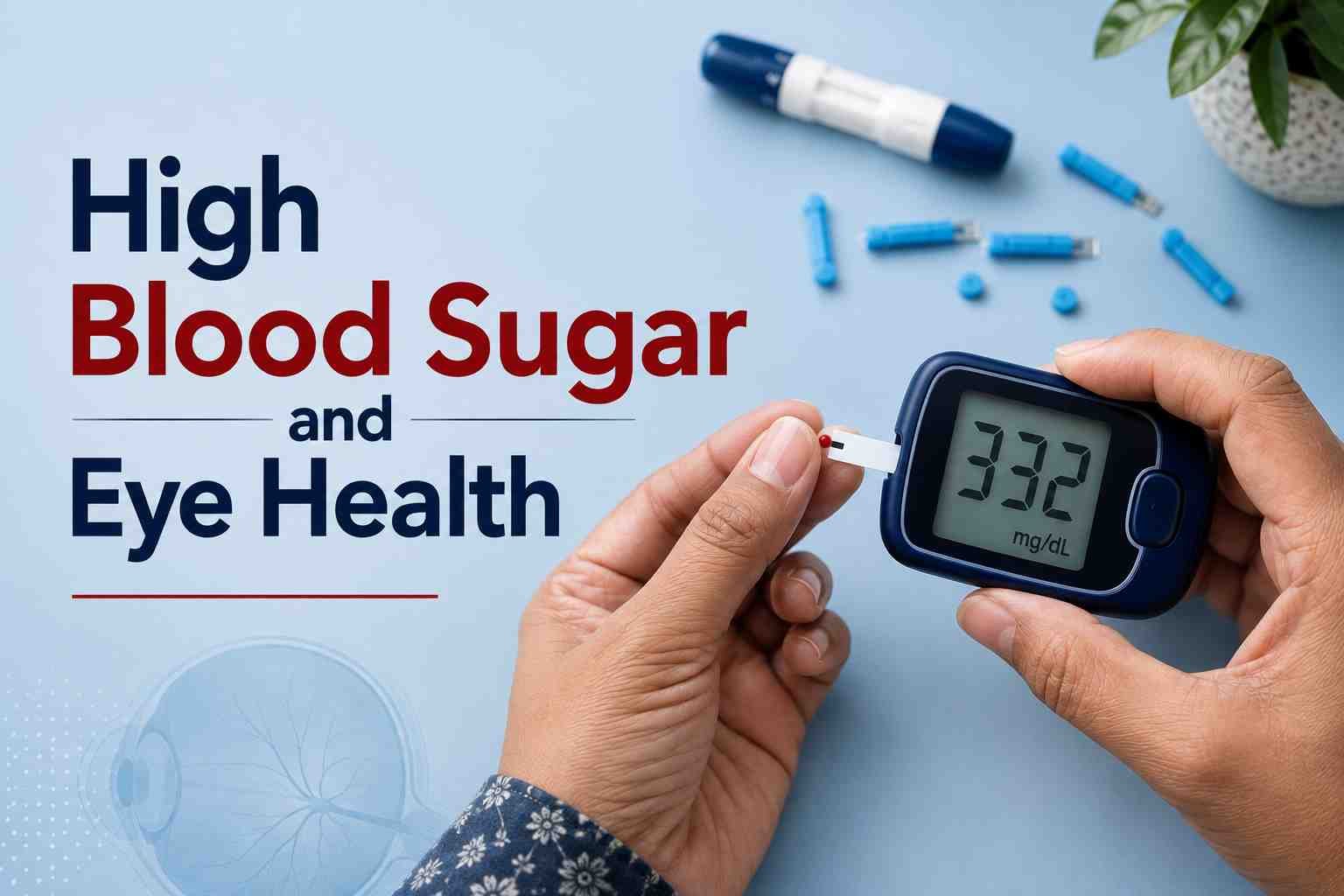
When your vision feels normal, your eyes may still be telling a different story. High blood sugar can affect many parts of the body, including the delicate blood vessels that supply the retina. What makes diabetes-related eye damage particularly concerning is that changes can develop gradually, often without noticeable symptoms in the early stages. By the time vision becomes blurred or distorted, significant retinal damage may already have occurred. Understanding the connection between diabetes and eye health can encourage timely examinations and appropriate care.
How High Blood Sugar Affects Your Eyes
The retina is a light-sensitive layer at the back of the eye that plays a crucial role in vision. It depends on a network of tiny blood vessels to receive oxygen and nutrients.
When high blood sugar persists over time, it can gradually weaken and damage these small blood vessels. They may begin to leak fluid or blood, become blocked, or develop other abnormalities. The retina can respond by forming new blood vessels, but these vessels may be fragile and prone to bleeding.
These changes can occur before a person notices any obvious difference in their eyesight. This is one reason regular eye examinations are particularly important for people living with diabetes.
Diabetic Retinopathy and Its Early Development
Diabetic retinopathy is a diabetes-related retinal condition that can develop when prolonged blood glucose elevation damages the blood vessels supplying the retina.
In its early stages, a person may have little or no noticeable change in vision. Small blood vessels can leak fluid or tiny amounts of blood into the retina without immediately affecting everyday activities such as reading or walking.
As the condition progresses, retinal swelling, bleeding and abnormal blood vessel growth can interfere with vision. Severe cases may increase the risk of complications such as retinal detachment or significant and potentially permanent vision loss.
Early detection is therefore an important part of protecting sight.
Why Vision Can Remain Normal for So Long
One of the most challenging aspects of diabetes-related retinal damage is that symptoms may not appear when the condition first begins.
The brain can compensate for subtle changes in visual information, while damage may initially affect only small areas of the retina. A person may continue with their normal routine and assume that their eyes are healthy.
This is why waiting until vision becomes noticeably blurred is not a reliable approach. Regular retinal examinations can identify changes before they have a major impact on sight.
For people looking for a modern eye center in Vadodara, choosing a facility that offers detailed retinal assessment can help with earlier identification of diabetes-related eye changes.
What Symptoms Should You Watch For?
Although early retinal damage may cause no symptoms, vision changes can develop as the condition progresses.
Possible symptoms include:
- Blurred or fluctuating vision
- Dark spots or floating shapes in the field of vision
- Difficulty seeing clearly at night
- Distorted vision
- Reduced colour perception
- A sudden change in eyesight
- Dark or empty areas in the field of vision
These symptoms should not automatically be attributed to tiredness, ageing or changes in spectacles. Anyone with diabetes who experiences new or worsening visual symptoms should arrange an eye examination.
How Blood Sugar Control Connects With Eye Health
Managing high blood sugar is an important part of reducing the risk of diabetes-related complications. Consistently elevated glucose levels can contribute to damage to small blood vessels throughout the body, including those in the retina.
Blood glucose management should be approached as part of an overall diabetes care plan. This may involve following the treatment plan provided by your healthcare professional, taking prescribed medicines appropriately, maintaining a suitable diet and staying physically active when medically appropriate.
Eye care is another important part of this process. Even when blood sugar is well controlled, people with diabetes should continue to follow recommended eye examination schedules.
Why Regular Retinal Examinations Matter
A standard vision test may tell you how clearly you can see letters or objects, but it does not necessarily reveal every change occurring inside the eye. A comprehensive examination can allow an eye specialist to assess the retina and look for early abnormalities.
Depending on the individual situation, the examination may involve pupil dilation, retinal photography, optical coherence tomography, or other diagnostic techniques.
If you are seeking comprehensive eye treatment in Vadodara, regular retinal monitoring can be particularly valuable if you have diabetes or other factors that may increase your risk of eye complications.
When You Should Seek Immediate Eye Care
Certain visual changes require prompt medical attention. A sudden increase in floaters, flashes of light, a dark curtain across your vision, or sudden loss of vision should not be ignored.
These symptoms can have several possible causes, some of which may require urgent treatment.
Similarly, if your vision suddenly becomes blurred or distorted, it is advisable to seek professional evaluation rather than waiting for the symptoms to settle.
A modern eye center in Vadodara can provide appropriate examination and help determine whether your symptoms are related to diabetes, another retinal condition or a different eye problem.
Treatment Depends on the Stage and Severity
Not every person with diabetes-related retinal changes requires the same treatment. Management depends on the location and severity of retinal damage, the presence of swelling or abnormal blood vessels, and the individual’s overall health.
Depending on the findings, an eye specialist may recommend regular monitoring, injections, laser treatment or surgery in more advanced cases.
The goal is to manage the underlying retinal problem and reduce the risk of further vision loss. Treatment decisions should always be based on a detailed examination rather than symptoms alone.
Protecting Your Retina Starts Before Vision Changes
Protecting your eyes begins with recognising that eye health and diabetes management are closely connected. Keeping high blood sugar under appropriate control, attending recommended medical appointments and undergoing regular retinal examinations can all contribute to better long-term eye care.
It is also important to tell your eye specialist about your diabetes history and any changes in your general health. This information can help them determine how frequently your eyes should be monitored.
If you need comprehensive eye treatment in Vadodara, professional guidance can help you understand your individual risk and the examinations that may be appropriate for you.
Do Not Wait Until Your Vision Fails
The absence of symptoms does not necessarily mean that the retina is unaffected. Diabetes-related retinal changes can develop silently, making regular examinations an important part of preventive eye care.
People with high blood sugar should take retinal health seriously even when their vision appears completely normal. Detecting changes early can give doctors more opportunities to monitor the condition and recommend appropriate treatment when necessary.
A modern eye center in Vadodara can provide specialised assessment to identify retinal changes and support ongoing eye health.
Conclusion
Diabetes can affect the eyes gradually, and high blood sugar may damage delicate retinal blood vessels before a person notices a significant change in vision. Regular eye examinations, appropriate diabetes management, and timely attention to new symptoms can all play an important role in protecting sight.
At Desai Eye Hospitals, patients can receive professional eye examinations and guidance based on their individual retinal and visual health needs. If you have diabetes, do not wait for your vision to deteriorate before having your eyes checked.
Concerned about how diabetes may be affecting your eyes? Contact us today to schedule a comprehensive eye examination and take a proactive step towards protecting your vision.