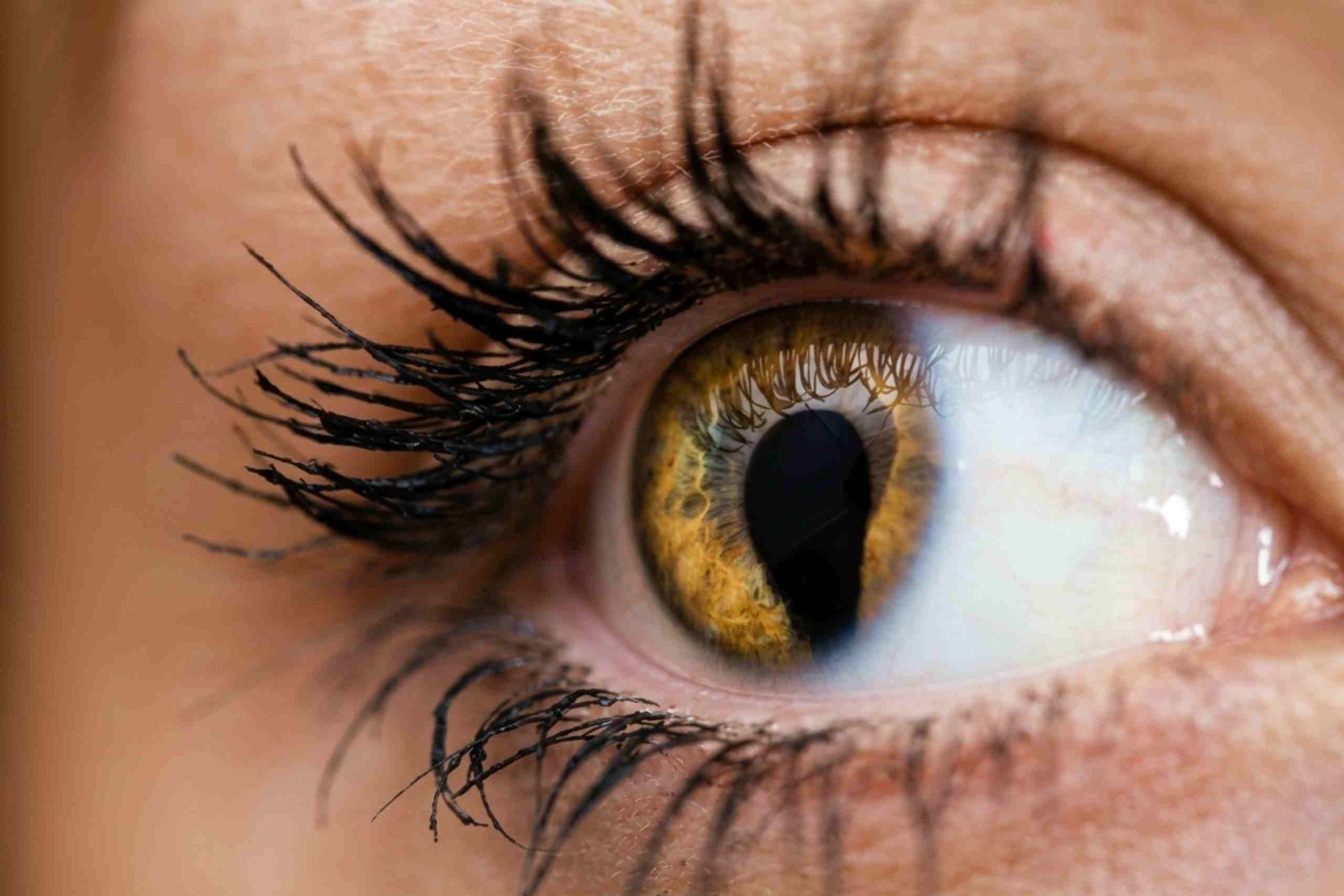
The term cat eyes human is often used to describe individuals whose eyes appear elongated, sharp, or uniquely shaped, resembling the eyes of a cat. This distinctive eye appearance can be influenced by genetics, eyelid structure, or certain medical conditions. While many people associate this look with beauty or uniqueness, it is important to understand what it means for vision and overall eye health.
According to research published in the American Academy of Ophthalmology, eye shape and pupil response vary naturally among individuals, and most variations are harmless. However, in some cases, unusual eye features may indicate underlying conditions that require professional evaluation.
Understanding the Unique Shape of Cat-Like Eyes
Many people wonder what cat eyes in humans are and whether they affect eyesight. In most cases, the appearance of slanted or almond-shaped eyes is simply a natural anatomical variation. Factors such as eyelid position, facial structure, and muscle tone around the eyes can create the illusion of cat-like eyes without impacting vision.
Some individuals with human with cat eyes may have slightly different eyelid angles or iris shapes, which contribute to their distinctive look. These features are typically harmless and do not interfere with normal vision.
What Causes This Eye Appearance in Some People
A common question patients ask is What causes cat eyes in humans. The answer often lies in genetics. Eye shape and structure are inherited traits passed down through families. Certain conditions, such as congenital eyelid differences or variations in eye muscle development, can also influence how the eyes appear.
In rare cases, a condition known as coloboma or other developmental variations can create an unusual pupil shape. Medical evaluation helps determine whether the appearance is purely cosmetic or linked to a functional concern. Consulting specialists at an Eye Hospital in Vadodara ensures accurate diagnosis and appropriate guidance.
Does Having Cat-Like Eyes Affect Vision?
For most people, the cat eyes human appearance does not affect visual clarity or eye health. Vision depends primarily on the retina, cornea, and optic nerve rather than the external shape of the eye. However, if unusual eye features are accompanied by symptoms such as blurred vision, light sensitivity, or difficulty focusing, a professional examination is recommended.
Regular eye check-ups at a trusted Eye Hospital in Vadodara can help detect any hidden conditions early and provide reassurance when the variation is harmless.
When Medical Attention May Be Necessary
Although many cases of humans with cat eyes are normal, certain warning signs should not be ignored. These include:
- Sudden changes in vision
- Persistent eye discomfort or pain
- Unusual pupil shape or colour changes
- Sensitivity to light
- Difficulty seeing clearly at night
If any of these symptoms occur, seeking timely evaluation for the Best eye treatment in Vadodara can help prevent complications and protect long-term vision.
Modern Treatments and Vision Support
Advances in ophthalmology have made it possible to diagnose and manage various eye conditions effectively. Whether the concern is cosmetic or functional, early assessment helps determine the best course of action.
Access to the Best eye treatment in Vadodara allows specialists to use advanced diagnostic tools such as retinal imaging and corneal analysis to ensure comprehensive care. Research from the National Eye Institute (NEI) shows that early detection and treatment significantly improve outcomes for patients with structural eye differences.
Conclusion
Having a distinctive eye shape, often described as cat eyes, is usually a natural variation that does not affect vision. However, understanding the causes and recognising warning signs is essential for maintaining eye health. Regular eye examinations and professional guidance can provide clarity and peace of mind. For individuals seeking expert evaluation and reliable care, Desai Eye Hospitals remains committed to delivering advanced diagnostics, personalised treatment, and compassionate support to help protect vision at every stage of life.
Sources:
- American Academy of Ophthalmology: Eye Anatomy and Vision Health
- National Eye Institute (NEI): Eye Structure and Vision Research
- Journal of Ophthalmology: Congenital Eye Variations and Visual Outcomes