
Glaucoma is a group of eye conditions that damage the optic nerve, which is essential for clear vision. This damage is often caused by increased pressure inside the eye, known as intraocular pressure. Glaucoma develops gradually and may not show noticeable symptoms in the early stages, making regular eye check-ups extremely important.
According to the World Health Organization (WHO), glaucoma is one of the leading causes of irreversible blindness worldwide. Early detection and proper treatment can significantly slow disease progression and preserve vision. Consulting the best glaucoma specialist in Vadodara ensures timely diagnosis and appropriate care.
What Is Glaucoma and Why Does It Occur
Glaucoma occurs when fluid builds up in the eye, increasing pressure and damaging the optic nerve. Although it is more common in older adults, it can affect individuals of any age. Risk factors include family history, diabetes, high blood pressure, and prolonged use of certain medications.
Medical professionals at the best eye hospital in Vadodara often emphasise routine eye examinations, especially for individuals with risk factors. Early screening helps detect glaucoma before significant vision loss occurs.
Common Glaucoma Symptoms to Watch For
In many cases, glaucoma develops silently without pain or discomfort. However, certain warning signs may appear as the condition progresses.
Common glaucoma symptoms include:
- Gradual loss of peripheral vision
- Blurred or hazy vision
- Eye pain or pressure
- Seeing halos around lights
- Frequent headaches
If any of these glaucoma symptoms are noticed, immediate consultation with the best glaucoma specialist in Vadodara is recommended to prevent further damage.
Diagnostic Tests Used to Detect Glaucoma
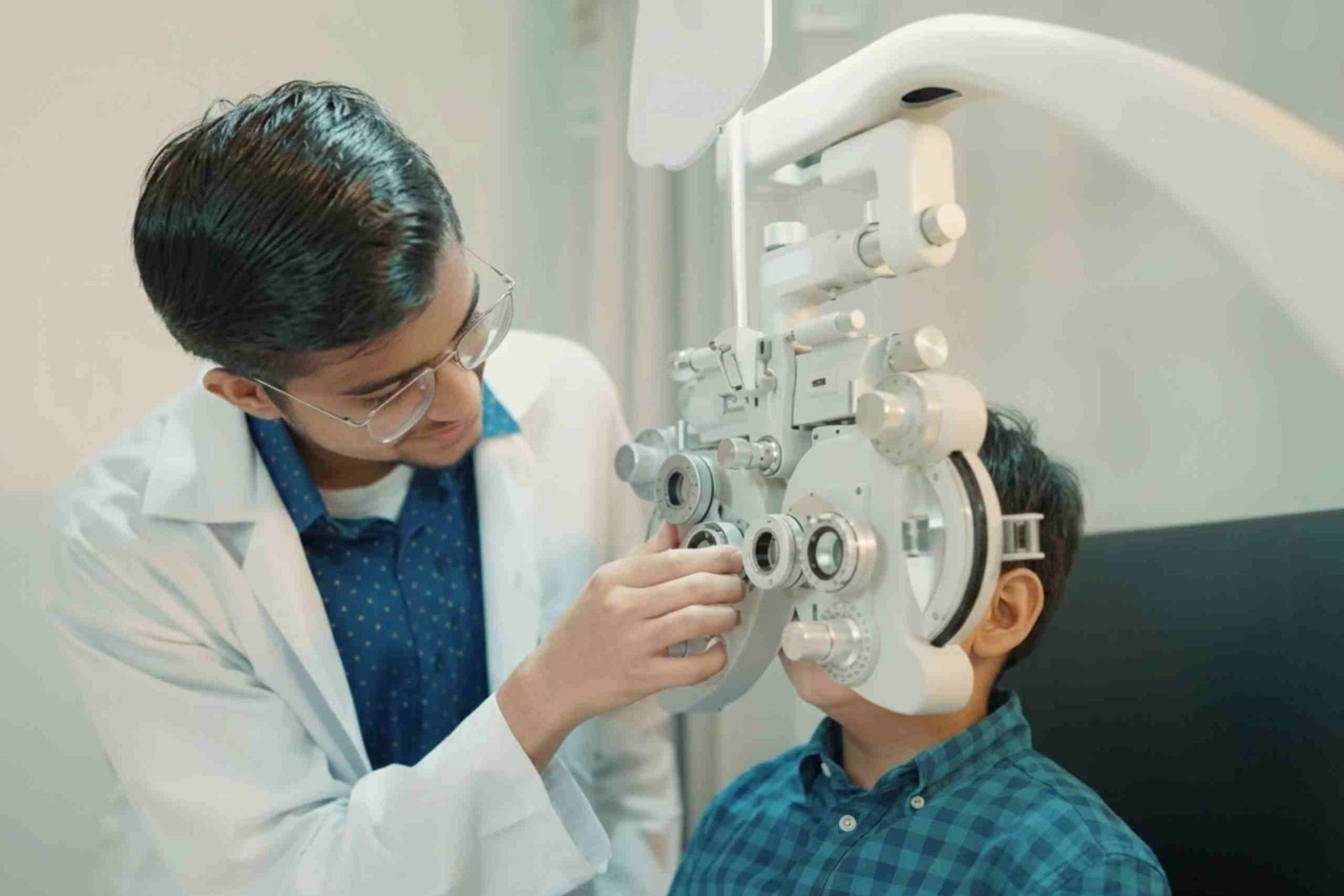
Early detection relies on specialised diagnostic tests that evaluate eye pressure and optic nerve health. These tests are quick, painless, and highly effective in identifying glaucoma at an early stage.
Common diagnostic procedures include:
- Tonometry to measure eye pressure
- Visual field testing to assess peripheral vision
- Optical coherence tomography (OCT) to examine the optic nerve
- Pachymetry to measure corneal thickness
Seeking evaluation at the best eye hospital in Vadodara ensures access to advanced diagnostic equipment and experienced specialists who can accurately assess eye health.
Treatment Options for Managing Glaucoma
Although glaucoma cannot be completely cured, it can be effectively managed with timely treatment. The goal of treatment is to reduce eye pressure and prevent further optic nerve damage.
Treatment options may include:
- Prescription eye drops to lower eye pressure
- Oral medications to control fluid production
- Laser therapy to improve fluid drainage
- Surgical procedures for advanced cases
Access to reliable eye treatment in Vadodara allows patients to receive personalised care based on the severity of the condition. Modern treatment approaches have significantly improved outcomes and helped patients maintain their vision for many years.
Research from the American Academy of Ophthalmology indicates that consistent treatment and monitoring can reduce the risk of severe vision loss by controlling intraocular pressure effectively.
The Importance of Regular Eye Check-Ups
Routine eye examinations are essential for detecting glaucoma early, particularly for individuals over the age of 40 or those with a family history of eye disease. Preventive care plays a critical role in protecting long-term vision.
Healthcare providers emphasise that early detection through regular screening is one of the most effective strategies for preventing blindness caused by glaucoma.
Conclusion
Glaucoma is a serious eye condition that can lead to permanent vision loss if not managed properly. Recognising symptoms, undergoing regular eye examinations, and seeking timely treatment are key steps in protecting eyesight. For individuals looking for trusted diagnosis and advanced care, Desai Eye Hospitals remains committed to providing expert guidance, modern technology, and comprehensive treatment to help patients maintain healthy vision.
Sources:
- World Health Organization (WHO): Glaucoma and Global Vision Health
- American Academy of Ophthalmology: Glaucoma Diagnosis and Treatment
- National Eye Institute (NEI): Understanding Glaucoma