

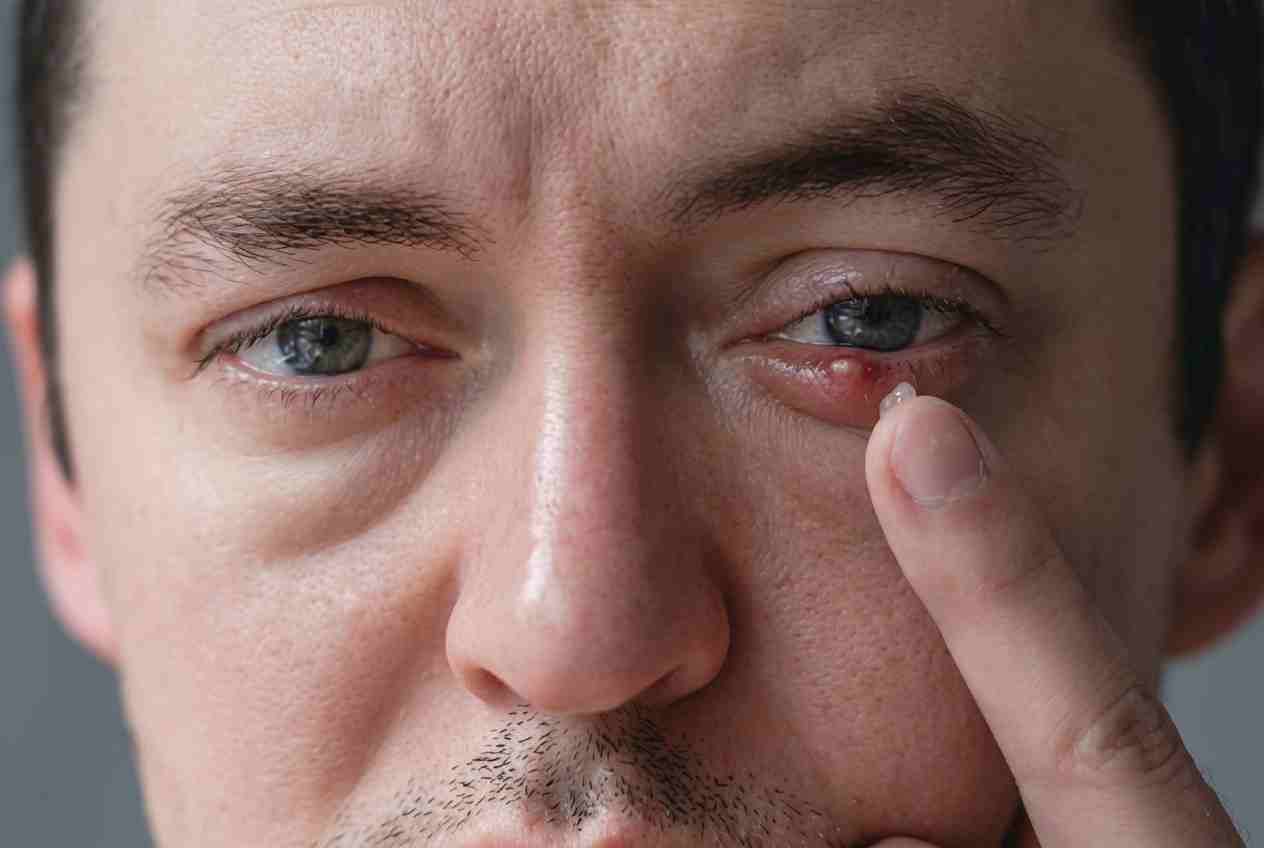
Eye herpes is a viral infection that affects the eye, most commonly caused by the herpes simplex virus (HSV). While many people associate herpes with skin or oral infections, the virus can also infect the cornea and surrounding eye tissues. If left untreated, this condition can lead to serious complications, including vision loss. Understanding the causes, symptoms, and recovery process can help individuals seek timely treatment and protect their eyesight.
According to the American Academy of Ophthalmology, ocular herpes is one of the leading infectious causes of corneal blindness worldwide. Early diagnosis and proper medical care significantly improve recovery outcomes and reduce the risk of long-term vision damage.
Understanding What Eye Herpes Is and How It Affects Vision
Eye herpes typically affects the cornea, the clear front surface of the eye responsible for focusing light. The infection may cause inflammation, pain, redness, and blurred vision. In some cases, repeated infections can lead to scarring of the cornea, which may permanently affect vision.
Research published in the National Eye Institute (NEI) shows that early treatment with antiviral medication can reduce complications and prevent the spread of infection. Individuals experiencing unusual eye symptoms should consult specialists at a trusted Eye Hospital in Vadodara for prompt evaluation and care.
How Do You Get Eye Herpes
Many people wonder how do you get eye herpes, especially if they have never experienced similar infections before. The virus is commonly transmitted through direct contact with infected saliva, skin lesions, or contaminated surfaces. Once the virus enters the body, it may remain dormant and reactivate later due to stress, illness, or weakened immunity.
Poor hygiene, touching the eyes with unwashed hands, or sharing personal items such as towels or cosmetics can increase the risk of infection. Maintaining proper hygiene and avoiding contact with infected individuals can help reduce the chances of developing this condition.
Sun Exposure Triggers Eye Herpes
Environmental factors can also play a role in triggering outbreaks. Studies have shown that Sun exposure triggers eye herpes in some individuals by activating dormant viruses in the body. Prolonged exposure to ultraviolet (UV) rays can weaken the eye’s protective mechanisms and increase susceptibility to infection.
Wearing protective sunglasses and limiting direct sunlight exposure are effective preventive measures. Regular check-ups at an Eye Hospital in Vadodara can help identify early signs of recurrence and prevent complications.
Common Symptoms That Should Not Be Ignored
Recognising symptoms early is essential for preventing severe damage. Common signs of eye herpes include:
- Redness and irritation in one eye
- Pain or discomfort
- Sensitivity to light
- Blurred or reduced vision
- Watery discharge
If these symptoms persist, seeking medical attention for the Best eye treatment in Vadodara can ensure an accurate diagnosis and timely management.
Treatment and Recovery Process
Treatment for ocular herpes usually involves antiviral medications, eye drops, and careful monitoring by eye specialists. In severe cases, additional procedures may be required to manage complications such as corneal scarring or inflammation.
Access to the Best eye treatment in Vadodara allows patients to receive personalised care based on the severity of the infection. Recovery time varies depending on the individual, but early intervention significantly improves healing and reduces the risk of recurrence.
Preventive Steps to Protect Your Eyes
Preventing infection is often simpler than treating complications. Individuals can reduce their risk by following basic eye care practices, such as:
- Washing hands regularly before touching the eyes
- Avoiding sharing personal items
- Wearing protective eyewear in bright sunlight
- Managing stress and maintaining overall health
These preventive habits help maintain eye health and reduce the likelihood of recurrent infections.
Conclusion
Although eye herpes can be a serious condition, timely diagnosis and proper treatment can protect vision and support recovery. Awareness of symptoms, preventive measures, and regular eye examinations play a crucial role in maintaining long-term eye health. For individuals seeking expert diagnosis and reliable care, Desai Eye Hospitals remains committed to providing advanced treatment, modern technology, and compassionate support to help patients safeguard their vision.
Sources:
- American Academy of Ophthalmology: Ocular Herpes and Corneal Health
- National Eye Institute (NEI): Herpes Simplex Eye Disease
- World Health Organization (WHO): Infectious Causes of Vision Loss