

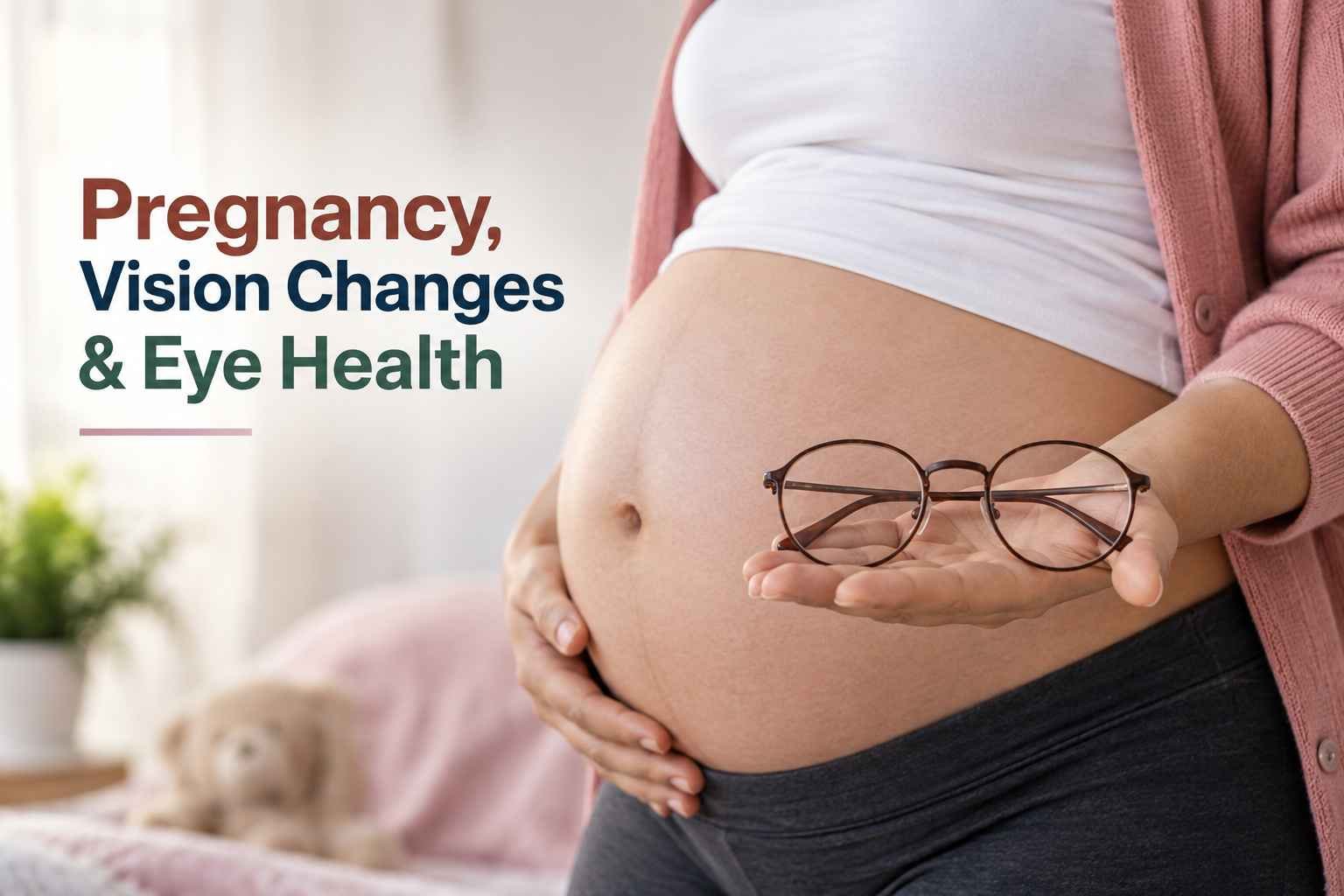
A healthy pregnancy changes more than your body. Sometimes, your vision changes too. Paying attention to eye health during pregnancy is an important part of looking after your overall wellbeing. Hormonal changes, fluid retention, blood pressure fluctuations, and changes in blood sugar can sometimes affect vision during pregnancy. Most changes are temporary, but certain symptoms can signal an underlying condition that needs medical attention. Expecting mothers with diabetes require particular care because pregnancy can increase the risk of diabetic retinopathy progression.
Why Eye Health During Pregnancy Matters
Pregnancy causes significant changes throughout the body, including changes that can affect the eyes. Hormonal fluctuations may alter the shape and thickness of the cornea, while fluid retention can affect the pressure and focusing ability of the eye.
Some women may notice blurred vision, dry eyes, increased sensitivity to light, or difficulty wearing contact lenses comfortably. These symptoms do not necessarily indicate a serious problem, but persistent or sudden changes should not be ignored.
Maintaining eye health during pregnancy means recognising which changes may be temporary and knowing when professional assessment is appropriate.
Common Vision Changes During Pregnancy
Not every pregnant woman experiences visual changes, but some may notice differences in how clearly they see.
Temporary blurred vision can occur due to hormonal and fluid changes. Dryness may also become more noticeable, particularly for contact lens users. Some women may find that their usual prescription feels slightly different during pregnancy.
Because these changes can have several possible causes, it is generally better to discuss persistent symptoms with an eye care professional rather than assuming they are simply part of pregnancy.
An annual eye checkup in Vadodara can also help monitor general eye health and identify concerns that may require attention.
Pregnancy and Changes in Blood Sugar
Pregnancy can influence how the body regulates blood glucose. Women with pre-existing diabetes or diabetes that develops during pregnancy may require closer monitoring of their blood sugar levels.
High blood glucose can affect the small blood vessels supplying the retina. Over time, damage to these vessels can contribute to diabetic retinopathy.
For women who already have diabetes, maintaining eye health during pregnancy should therefore be considered alongside appropriate blood sugar management and prenatal care.
Diabetic Retinopathy During Pregnancy
Diabetic retinopathy affects the blood vessels of the retina and can develop or worsen when diabetes is not adequately controlled. Pregnancy itself does not cause diabetes, but pregnancy-related changes can influence diabetic retinopathy in women who already have the condition.
The risk can depend on factors such as the severity of existing retinopathy, blood glucose control, blood pressure, and the duration of diabetes.
An annual eye checkup in Vadodara may be part of routine eye care, but women with diabetes may need examinations more frequently depending on their individual circumstances. Their ophthalmologist can recommend an appropriate monitoring schedule.
Warning Signs Expecting Mothers Should Not Ignore
Some vision changes during pregnancy deserve prompt medical attention. Seek professional advice if you experience:
- Sudden or persistent blurred vision
- Flashes of light or a sudden increase in floaters
- Partial or sudden loss of vision
- Severe or persistent headaches accompanied by visual changes
- Double vision
- Significant eye pain
- New difficulty seeing clearly
Visual disturbances accompanied by severe headache, swelling, or elevated blood pressure can sometimes be associated with pregnancy-related complications such as pre-eclampsia. Such symptoms require prompt medical assessment.
When Is an Eye Check During Pregnancy Important?
An eye check during pregnancy may be particularly important for women with diabetes, high blood pressure, existing retinal disease, or other eye conditions.
Women who have been diagnosed with diabetic retinopathy before pregnancy should discuss their eye care needs with their ophthalmologist and obstetrician. Depending on the severity of retinal changes, additional examinations may be recommended during pregnancy.
Even women without known eye disease should report new or unusual visual symptoms to their healthcare team.
How Diabetes Can Affect the Retina
The retina contains many tiny blood vessels that are sensitive to prolonged high blood glucose levels. Diabetes can weaken these vessels, causing them to leak fluid or blood.
In more advanced cases, abnormal blood vessels may develop and cause complications that threaten vision.
Pregnancy can influence the progression of existing diabetic retinopathy, which is why monitoring becomes particularly important for women who already have diabetes.
A modern eye center in Vadodara can assess retinal health using appropriate clinical examinations and imaging when required.
The Importance of Blood Pressure Monitoring
Blood pressure is another important consideration during pregnancy. High blood pressure can affect the blood vessels of the retina and may also be associated with pregnancy complications.
Changes in vision should therefore be reported promptly, particularly when accompanied by severe headaches, swelling, abdominal discomfort, or other concerning symptoms.
Good eye health during pregnancy involves more than focusing on the eyes alone. Coordinating eye care with regular prenatal monitoring can help healthcare professionals identify concerns that require further evaluation.
Can Pregnancy Permanently Change Your Eyesight?
Most pregnancy-related visual changes are temporary and may improve after delivery. However, pregnancy can also reveal or influence underlying conditions that require treatment.
For example, women with diabetes may experience changes in diabetic retinopathy, while significant blood pressure problems can affect the eyes and overall health.
This is why women should not assume that every change in vision will disappear after childbirth. An annual eye checkup in Vadodara can provide an opportunity to monitor eye health over time and discuss any continuing concerns.
Contact Lens Comfort During Pregnancy
Hormonal and fluid changes can affect the surface of the eye, making contact lenses less comfortable for some women. Dryness, irritation, or changes in vision may become more noticeable.
If contact lenses feel uncomfortable, wearing glasses temporarily may be more convenient. Proper contact lens hygiene remains important throughout pregnancy.
Women should avoid continuing to wear lenses if their eyes become painful, significantly red, or unusually sensitive to light and should seek professional advice if symptoms persist.
Protecting Your Eyes During Pregnancy
Simple habits can support eye health during pregnancy. These include attending recommended medical appointments, maintaining good blood sugar and blood pressure control when applicable, protecting the eyes from excessive UV exposure, and seeking professional advice for unusual symptoms.
Women with diabetes should follow their diabetes management plan and keep their ophthalmology appointments.
An annual eye checkup in Vadodara can also help maintain awareness of changes in eye health, although women with diabetes or existing eye conditions may require a different examination schedule.
When Professional Eye Care Is Needed
A modern eye center in Vadodara can help assess vision changes during pregnancy and determine whether they are related to normal pregnancy changes or an underlying eye condition.
Women with diabetes should be particularly proactive about retinal monitoring. Early diabetic retinopathy may produce few or no noticeable symptoms, so waiting until vision becomes affected is not always advisable.
Professional assessment can help determine whether additional monitoring, treatment, or referral is needed.
Conclusion
Eye health during pregnancy deserves attention because pregnancy can influence vision in several ways, while conditions such as diabetes and high blood pressure may create additional risks. Most visual changes are not serious, but sudden or persistent symptoms should always be discussed with an appropriate healthcare professional.
Regular monitoring is especially important for women with diabetes or existing retinal conditions. An annual eye checkup in Vadodara can support ongoing eye health, while individual examination schedules should be based on medical history and professional advice.
At Desai Eye Hospitals, we understand the importance of attentive eye care during every stage of life, including pregnancy. Our team can provide professional assessment and guidance for women experiencing vision changes or concerns about their retinal health.
Experiencing vision changes during pregnancy or concerned about your eye health? Contact Desai Eye Hospitals today to schedule a consultation and receive personalised guidance from our eye care specialists.