
A chalazion is a small, painless lump that develops on the eyelid due to blockage of an oil gland. Although it often resolves on its own, some cases persist and require medical treatment. Understanding when medical intervention becomes necessary helps patients avoid prolonged discomfort and potential complications.
According to the American Academy of Ophthalmology, most chalazia improve with conservative treatments such as warm compresses and medication. However, persistent or recurrent cases may require minor surgical procedures to remove the blockage and restore normal eyelid function.
What Causes a Chalazion
A chalazion forms when the meibomian glands in the eyelid become blocked, leading to inflammation and swelling. Several factors can increase the likelihood of developing this condition.
Common causes include:
- Poor eyelid hygiene
- Chronic eyelid inflammation
- Skin conditions such as rosacea
- Bacterial infection
- Recurrent styes
Early consultation for appropriate eye treatment in Vadodara can help identify the underlying cause and prevent repeated occurrences.
Symptoms That Indicate a Chalazion Needs Medical Attention
Most chalazia are harmless, but certain symptoms suggest the need for professional evaluation. These symptoms may indicate that the lump is not resolving or has become infected.
Warning signs include:
- Persistent swelling lasting more than two to three weeks
- Increasing redness or pain
- Blurred vision due to eyelid pressure
- Recurrent lumps in the same area
- Cosmetic concerns affecting daily confidence
When these symptoms occur, visiting an advanced eye hospital in Vadodara ensures timely diagnosis and proper management.
Conservative Treatment Options Before Surgery
Before considering surgery, doctors usually recommend non-invasive treatments to reduce inflammation and promote healing. These methods are effective in many cases, particularly when treatment begins early.
Common conservative treatments include:
- Applying warm compresses several times a day
- Gentle eyelid massage
- Prescribed antibiotic or anti-inflammatory eye drops
- Maintaining proper eyelid hygiene
Patients receiving professional eye treatment in Vadodara often benefit from personalised care plans that focus on relieving symptoms and preventing recurrence.
When Incision and Curettage Become Necessary
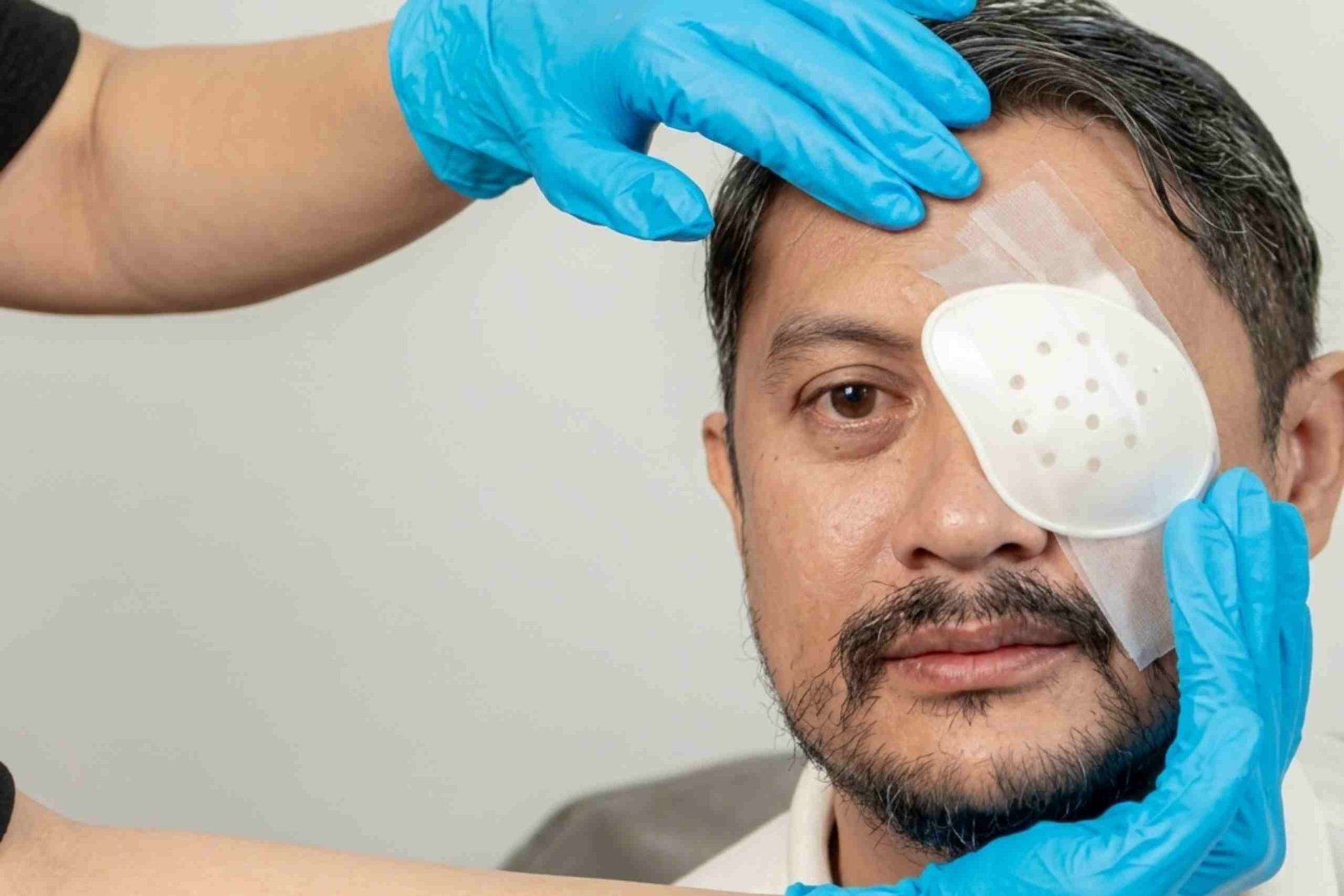
If a chalazion does not improve after several weeks of conservative treatment, a minor surgical procedure known as incision and curettage may be recommended. This procedure involves making a small incision in the eyelid to remove the blocked material and reduce swelling.
Medical research indicates that incision and curettage of chalazion has a high success rate and provides quick relief for persistent cases. The procedure is usually performed under local anaesthesia and typically takes only a short time to complete.
Seeking treatment at an advanced eye hospital in Vadodara ensures access to experienced specialists and modern surgical techniques that enhance safety and recovery.
What to Expect During and After the Procedure
During the procedure, the surgeon carefully drains the blocked gland and removes inflammatory material. Most patients experience minimal discomfort and can return to normal activities within a few days.
Recovery guidelines may include:
- Using prescribed medications to prevent infection
- Keeping the eye area clean and dry
- Avoid rubbing the eyes
- Attending follow-up appointments for monitoring
Doctors performing incision and curettage of chalazion emphasise the importance of proper aftercare to ensure complete healing and prevent recurrence.
Preventing Future Chalazion Formation
Preventive care plays a key role in maintaining eyelid health and reducing the risk of future chalazia. Simple daily habits can significantly lower the chances of recurrence.
Preventive measures include:
- Practising good eyelid hygiene
- Removing eye makeup before sleeping
- Managing underlying skin conditions
- Scheduling routine eye examinations
These preventive steps help maintain long-term eye health and reduce the need for repeated procedures such as incision and curettage.
Conclusion
A chalazion may appear minor, but persistent swelling or discomfort should not be ignored. Early treatment and proper medical guidance can prevent complications and ensure faster recovery. When conservative treatments are not effective, minor surgical procedures offer a safe and reliable solution. For individuals seeking expert diagnosis and comprehensive care, Desai Eye Hospitals provides advanced facilities, skilled specialists, and patient-focused treatment to support healthy vision and overall eye comfort.
Sources:
- American Academy of Ophthalmology: Chalazion and Eyelid Disorders
- National Eye Institute (NEI): Eyelid Infections and Treatment
- British Journal of Ophthalmology: Surgical Management of Chalazion