

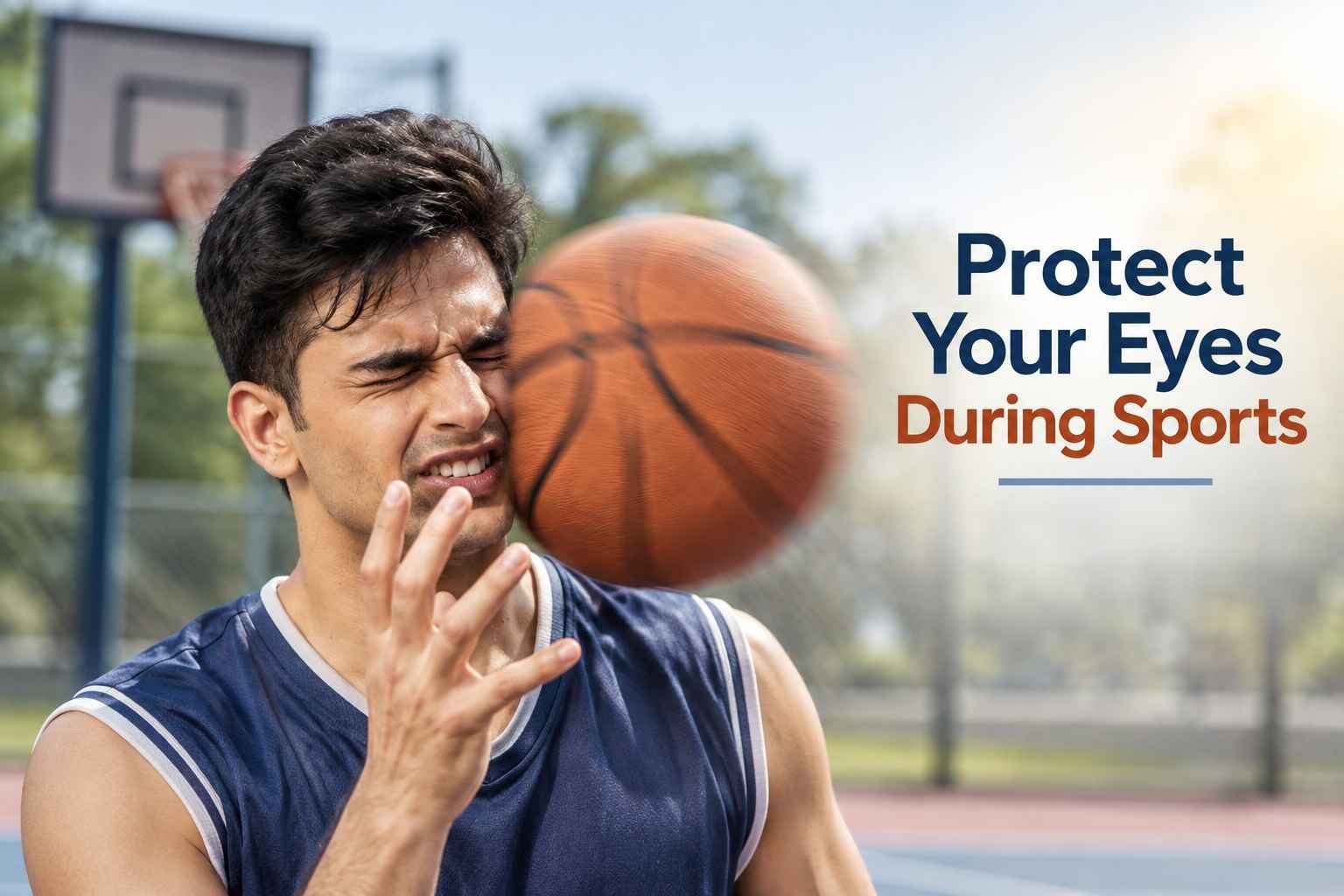
Protect your game, protect your vision, and never let an avoidable injury take you away from the sport you love. Sports can build confidence, fitness, coordination and discipline, but they can also expose the eyes to unexpected risks. A fast-moving ball, flying equipment, accidental contact or even a fall can cause serious damage within seconds. Understanding how to prevent sports eye injuries is therefore important for athletes of every age, as well as parents who want their children to enjoy sport safely.
Why Eye Protection Matters in Sport
The eyes are particularly vulnerable because they have little protection against sudden impact. Depending on the sport and the type of accident, an injury may affect the eyelid, cornea, lens, retina, or other internal structures of the eye.
Some injuries may cause immediate pain, redness, swelling, or blurred vision. Others can initially appear minor while requiring medical assessment. This is why protective measures should not be treated as optional equipment.
For athletes who regularly participate in high-impact activities, speaking with an eye surgeon in Vadodara can help identify appropriate protective measures, particularly if there is an existing eye condition or previous injury.
Common Sports Injuries That Can Affect the Eyes
Common sports injuries can range from minor scratches to more significant trauma. Sports involving balls, racquets, sticks, or physical contact can create situations where the eye is struck unexpectedly.
Basketball, cricket, hockey, football, badminton, squash, and racquet sports can all present different levels of risk. Even activities that do not involve direct contact can result in falls or equipment-related accidents.
Potential eye problems following an impact can include:
- Corneal scratches or abrasions
- Bruising around the eye
- Bleeding inside the eye
- Damage to the lens
- Retinal injuries
- Fractures around the eye socket
Recognising the risks associated with a particular activity makes it easier to choose appropriate protection.
Choosing Protective Eyewear for Young Athletes
Children may be especially vulnerable because they are still developing coordination and may not always recognise potentially dangerous situations. Parents should consider protective eyewear when children participate in sports where an impact to the face or eyes is possible.
Sports eyewear should fit securely without restricting vision or becoming uncomfortable during movement. Ordinary spectacles and fashion sunglasses are not necessarily designed to withstand sports-related impacts.
If a child has a refractive error or another vision requirement, an eye surgeon in Vadodara can provide guidance on combining vision correction with suitable protective eyewear.
What Makes Sports Eyewear Different?
Protective sports eyewear is designed with safety and stability in mind. Depending on the activity, it may include impact-resistant lenses, secure frames and designs that remain in place during movement.
Athletes should avoid assuming that any pair of glasses provides adequate protection. The right option depends on the sport, the level of contact and the individual’s visual needs.
For younger players, parents should also check the condition of protective eyewear regularly. Scratched, cracked or poorly fitting equipment may need to be replaced.
Taking these precautions can reduce exposure to sports eye injuries and allow athletes to focus more confidently on their performance.
When Should an Eye Injury Be Checked?
Not every eye injury produces dramatic symptoms immediately. However, certain changes should receive prompt medical attention. These may include sudden vision loss, persistent blurred vision, severe pain, flashes of light, a sudden increase in floaters, bleeding or significant swelling.
An athlete should also avoid returning to play immediately after a significant eye impact until the injury has been properly assessed.
Seeking advice from an eye surgeon in Vadodara can help determine whether further examination or treatment is necessary. Timely evaluation is particularly important when the retina or internal structures of the eye may have been affected.
Why Parents Should Take Eye Safety Seriously
Children often want to continue playing even after an injury because they do not want to miss practice or a match. Parents and coaches therefore have an important role in recognising symptoms and encouraging safe behaviour.
Protective eyewear should become part of the normal sports kit when appropriate, just like helmets, guards or other safety equipment. Coaches can also help by reinforcing rules around safe play and ensuring that damaged equipment is not used.
Regular vision assessments can also help identify problems that may affect a child’s ability to participate comfortably in sport. If an injury or ongoing visual concern develops, professional guidance can help determine the appropriate best eye treatment in Vadodara for the individual’s condition.
Prevention Is Better Than Waiting for an Injury
Reducing risk does not mean avoiding sport. It means making sensible safety decisions before stepping onto the field or court.
Athletes can protect their eyes by using sport-specific protective eyewear, following safety rules, maintaining equipment and reporting vision changes promptly. Parents can support these habits by making eye protection a normal part of their child’s sporting routine.
For athletes with previous eye problems, personalised advice from an eye surgeon in Vadodara may be especially useful before returning to activities that involve impact or physical contact.
What to Do After an Eye Impact
After an eye injury, avoid rubbing or pressing on the affected eye. If there is significant pain, bleeding, sudden vision change or another concerning symptom, seek professional medical attention promptly.
Do not assume that an injury is harmless simply because external swelling or redness appears limited. Some sports eye injuries involve structures that cannot be assessed accurately without an eye examination.
Depending on the diagnosis, treatment can range from observation and medication to more specialised procedures. The appropriate best eye treatment in Vadodara will depend on the type and severity of the injury.
Protecting Vision Beyond the Playing Field
Eye safety should remain a priority before, during and after sports activities. Athletes should understand the risks associated with their chosen sport and use appropriate protective equipment consistently.
Parents can reinforce these habits by choosing properly fitted protective eyewear, encouraging children to report changes in vision and arranging professional assessment when concerns arise. Coaches and sporting organisations can also contribute by promoting safer playing environments.
Regular eye care is valuable even when no injury has occurred. An eye surgeon in Vadodara can assess visual health and provide advice when an athlete has specific concerns about participation, previous trauma or protective eyewear.
Protect Your Vision With the Right Care
Your eyes are essential to how you play, perform and enjoy the sport you love. While sports eye injuries cannot always be predicted, many risks can be reduced through appropriate protective eyewear, safer sporting practices, and timely medical attention.
When an injury does occur, getting the right assessment can help prevent a potentially serious problem from being overlooked. For athletes and families seeking the best eye treatment in Vadodara, professional evaluation should be based on the individual’s symptoms, injury, and overall eye health.
At Desai Eye Hospitals, the focus is on helping patients understand their eye health and access appropriate care when vision problems or injuries arise.
For expert guidance about sports-related eye injuries, protective eyewear, or your eye health, contact Desai Eye Hospitals today and schedule an appointment with our eye care team.