

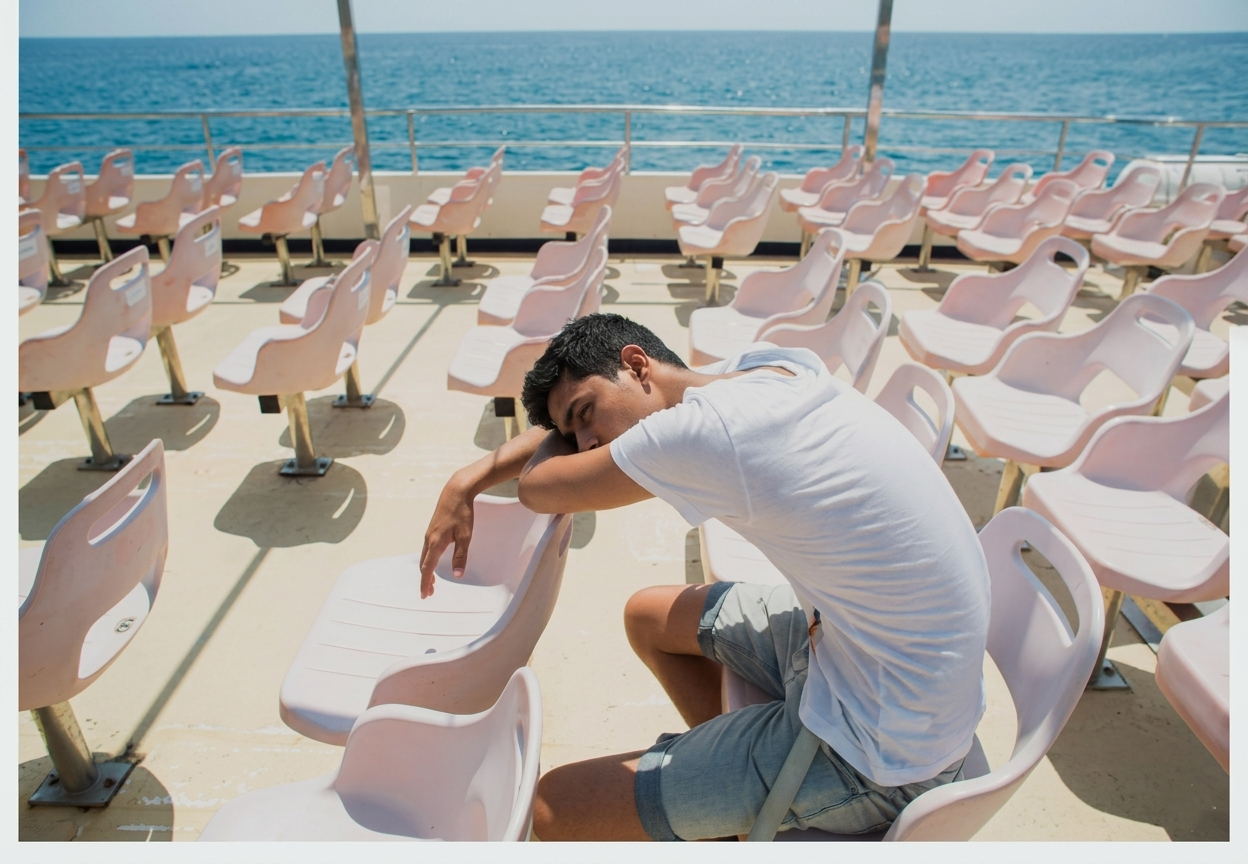
Summer vacations often bring excitement, road trips, long flights, beach outings, and hours spent exploring new places. But while people prepare for sun exposure, dehydration, and heat exhaustion, many overlook one important concern: their eye health. After long hours of travel, many individuals begin experiencing blurry vision during travel, dry eyes, headaches, and tired eyes from travel without realizing that travel fatigue can directly affect their vision.
If your eyes feel strained, irritated, or unfocused after a summer trip, you are not alone. Summer travel fatigue and vision issues are more common than many people think, especially during hot weather and extended journeys.
Why Summer Travel Affects Your Eyes
Traveling during summer often means exposure to several conditions that can temporarily impact eye comfort and vision quality. Long drives, air-conditioned flights, dehydration, lack of sleep, excessive screen use, and exposure to sunlight can all contribute to travel-related vision problems.
Your eyes require proper hydration, rest, and lubrication to function comfortably. When your body becomes tired or dehydrated during travel, your eyes are often among the first areas to show signs of stress.
Some common reasons behind eye fatigue while traveling include:
- Long hours of screen time during flights or road trips
- Dry cabin air inside airplanes and vehicles
- Exposure to UV rays and heat
- Poor sleep schedules during vacations
- Dehydration caused by heat and travel
- Dust, pollution, and allergens in unfamiliar environments
These factors may not cause permanent damage in most cases, but they can trigger temporary vision issues that make traveling uncomfortable.
Common Vision Problems Caused by Summer Travel Fatigue
1. Blurry Vision During Travel
One of the most common complaints during summer trips is blurry vision during travel. This often happens because the eyes become dry or strained after prolonged focus on screens, roads, or digital devices.
For example, staring at navigation screens, watching movies during flights, or reading for long periods can reduce blinking frequency. Reduced blinking causes tear evaporation, making the eyes dry and vision temporarily blurry.
In most cases, vision clears after resting the eyes and staying hydrated. However, persistent blurriness should never be ignored.
2. Dry Eyes During Summer Travel
Hot weather and air conditioning can quickly dry out the eyes. Dry eyes during summer travel are especially common among people who wear contact lenses or spend long hours outdoors.
Symptoms may include:
- Burning sensation
- Itchy eyes
- Redness
- Watering
- Sensitivity to light
- Feeling like something is stuck in the eye
Travelers often underestimate how much dehydration affects tear production. When the body lacks enough fluids, the eyes struggle to maintain proper moisture.
3. Eye Fatigue While Traveling
Long travel schedules can overwork your eyes just like they tire your body. Eye fatigue while traveling often develops after continuous focus, insufficient sleep, and excessive exposure to digital screens.
Signs of eye fatigue include:
- Heavy eyelids
- Eye strain
- Difficulty focusing
- Headaches around the eyes
- Sensitivity to bright light
These symptoms usually improve with rest, but repeated strain without proper care can worsen discomfort.
4. Increased Light Sensitivity
Bright summer sunlight and reflective surfaces such as beaches, highways, and water can increase light sensitivity. Travelers who spend hours outdoors without sunglasses may experience squinting, irritation, and discomfort.
UV exposure can also worsen dry eye symptoms and contribute to temporary irritation.
How Lack of Sleep Impacts Vision During Travel
Summer vacations often disrupt normal sleep schedules. Early flights, overnight journeys, and packed itineraries reduce sleep quality, which directly affects eye function.
When your eyes do not get enough rest:
- Eye muscles become strained
- Tear production decreases
- Focus becomes less stable
- Visual clarity temporarily reduces
This is why many travelers wake up with tired eyes from travel after long journeys or vacations.
Who Is More Likely to Experience Travel-Related Vision Problems?
Although anyone can experience temporary vision issues during travel, some individuals are more vulnerable, including:
- Contact lens users
- Senior citizens
- People with dry eye syndrome
- Individuals with diabetes
- Frequent travelers
- People with existing eye conditions
- Heavy screen users
Children may also develop eye strain during long journeys because of prolonged mobile phone or tablet use.
Tips to Protect Your Eyes During Summer Travel
Fortunately, many travel-related vision problems can be prevented with simple habits and eye care precautions.
Stay Hydrated
Drink enough water throughout your journey. Hydration supports healthy tear production and reduces dryness.
Follow the 20-20-20 Rule
Every 20 minutes, look at something 20 feet away for at least 20 seconds. This helps reduce eye strain from screens and prolonged focus.
Wear UV-Protected Sunglasses
Good-quality sunglasses protect your eyes from harmful UV rays, glare, and excessive sunlight exposure.
Use Lubricating Eye Drops
Artificial tears can help manage dry eyes during summer travel, especially during flights or long drives.
Limit Screen Time
Avoid continuous screen use during travel whenever possible. Give your eyes regular breaks.
Sleep Properly
Adequate rest allows the eyes to recover from strain and maintain healthy vision.
Avoid Rubbing Your Eyes
Dust and sweat during travel may irritate the eyes, but rubbing can worsen irritation or introduce infection.
When Should You See an Eye Specialist?
While most temporary vision issues improve within a short time, some symptoms require professional attention.
Consult an eye specialist in Vadodara if you experience:
- Persistent blurry vision
- Severe redness or pain
- Sudden vision changes
- Excessive watering
- Light flashes or floaters
- Symptoms lasting beyond a few days
Ignoring these signs may delay the diagnosis of underlying eye conditions.
Keep Your Eyes Healthy While Enjoying Summer Travel
Summer trips should create happy memories, not eye discomfort. Understanding how summer travel fatigue and vision issues are connected can help you take better care of your eyes during vacations.
Simple precautions such as staying hydrated, wearing sunglasses, resting your eyes, and reducing screen exposure can significantly lower the risk of eye fatigue while traveling and other travel-related vision problems.
If you continue experiencing blurry vision during travel or persistent eye discomfort after returning home, seeking expert guidance is important. At Desai Eye Hospital, our experienced and trusted eye specialists in Vadodara provide advanced diagnosis and personalized care for various eye concerns. Whether you are dealing with dry eyes, temporary vision issues, or looking for the best eye treatment in Vadodara, our team is committed to helping you protect your vision and maintain long-term eye health.