

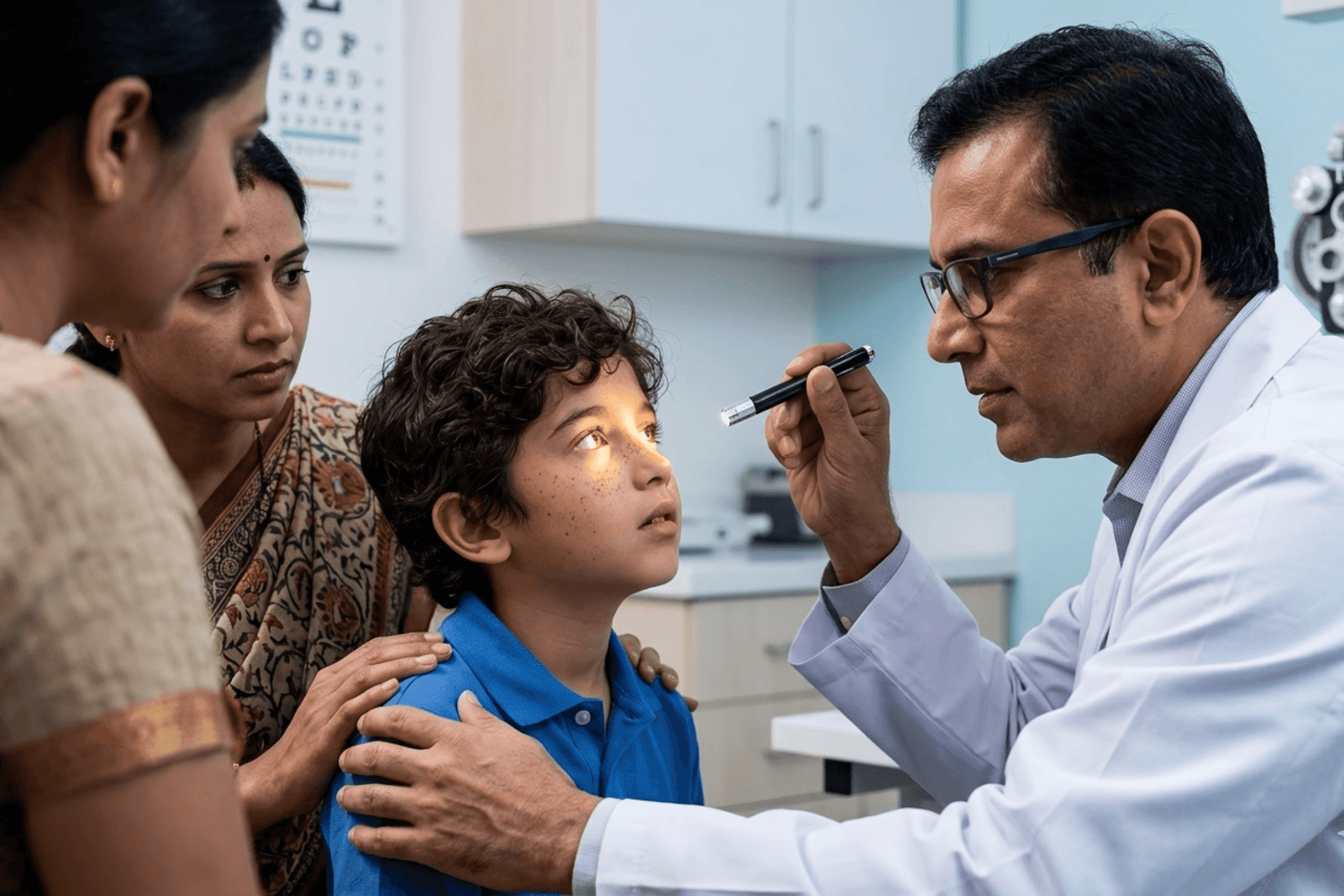
A squint may seem like a minor eye issue at first, but ignoring it can affect much more than appearance. From blurred vision and poor depth perception to low confidence and eye strain, a squint can interfere with daily life at any age. What many people do not realize is that squint treatment is not the same for children and adults. The cause, symptoms, diagnosis, and treatment approach often differ significantly depending on age.
Understanding these differences can help parents seek timely care for children and encourage adults not to delay treatment. With modern advancements in eye care, effective squint eye treatment is now possible for both children and adults.
What Is a Squint?
A squint, also known as strabismus, occurs when the eyes do not align properly. One eye may look straight while the other turns inward, outward, upward, or downward. This misalignment can be constant or occasional.
Squint can affect one or both eyes and may develop during childhood or later in adulthood. In many cases, early diagnosis plays a major role in successful recovery.
Why Squint Treatment Matters
Squint is not only a cosmetic concern. If left untreated, it can lead to:
- Double vision
- Poor depth perception
- Eye strain and headaches
- Lazy eye (amblyopia) in children
- Difficulty focusing
- Reduced self-confidence
Seeking timely squint treatment can help improve both vision and quality of life.
Squint Treatment for Children
Children are more commonly affected by squint because their visual system is still developing. In many cases, parents first notice that one eye drifts while the child is tired, focusing, or looking at distant objects.
Common Child Squint Symptoms
Some early signs parents should watch for include:
- Eyes not moving together
- Frequent blinking or rubbing eyes
- Tilting the head while focusing
- Closing one eye in sunlight
- Poor concentration while reading
- Difficulty judging distance
Recognizing these child squint symptoms early can help prevent long-term vision problems.
Why Early Treatment Is Important in Children
A child’s brain learns to use both eyes together during the early years of life. When one eye is misaligned, the brain may start ignoring signals from that eye. Over time, this can cause lazy eye and permanent vision weakness if not treated early.
This is why squint treatment for children focuses heavily on improving visual development along with correcting eye alignment.
Treatment Options for Children
- Glasses
In some children, squint develops due to refractive errors such as farsightedness. Corrective glasses may help align the eyes naturally.
- Eye Patching
If one eye becomes weaker, patching the stronger eye encourages the weaker eye to work harder and develop better vision.
- Vision Therapy
Eye exercises and vision training may help improve coordination between the eyes in certain cases.
- Squint Surgery
When non-surgical methods are not enough, surgery may be recommended to adjust the eye muscles and improve alignment.
Children usually respond well to treatment because their visual system is still adaptable.
Squint Treatment for Adults
Many people assume squint only affects children, but adults can also develop it. Some adults may have had an untreated childhood squint, while others develop it later due to nerve problems, injuries, diabetes, thyroid disorders, or neurological conditions.
Unlike children, adults often experience more functional symptoms such as double vision and eye strain.
Symptoms Adults Commonly Experience
Adults with squint may notice:
- Double vision
- Difficulty focusing
- Headaches
- Eye fatigue
- Poor depth perception
- Difficulty driving or reading
- Reduced confidence in social situations
These symptoms can affect daily activities and overall quality of life.
How Adult Squint Treatment Is Different
The biggest difference between child and adult squint treatment lies in visual development.
In children, treatment aims to train the brain and eyes to work together during development. In adults, the visual system is already mature, so treatment focuses more on correcting alignment, reducing double vision, and improving comfort.
Treatment Options for Adults
- Prism Glasses
Special lenses may help reduce double vision by adjusting the way light enters the eyes.
- Botox Injections
In some cases, Botox injections can temporarily relax the overactive eye muscles and improve alignment.
- Vision Therapy
Selected adults may benefit from eye exercises that improve coordination and focusing ability.
- Adult Squint Correction Surgery
Surgery is one of the most effective options for adults with noticeable eye misalignment. During the procedure, eye muscles are repositioned to improve alignment.
Modern squint surgery for adults is safe, advanced, and often performed as a day-care procedure. Recovery is usually faster than many patients expect.
Emotional and Psychological Impact
Squint can affect confidence at any age, but the emotional impact often differs.
Children may struggle with learning difficulties or social interaction if vision problems go unnoticed.
Adults may feel self-conscious during conversations, professional meetings, or photographs. Many adults avoid treatment for years because they believe nothing can be done later in life.
The truth is that adult squint correction can significantly improve both appearance and visual comfort.
When Should You See an Eye Specialist?
Whether the patient is a child or an adult, early evaluation is important. You should consult an eye specialist if:
- One eye frequently turns inward or outward
- Double vision occurs
- A child tilts their head while focusing
- Eye coordination seems abnormal
- Reading or focusing becomes difficult
Consulting a qualified Eye specialist in Vadodara can help identify the cause and determine the right treatment plan.
Importance of Choosing the Right Eye Hospital
Successful squint treatment requires accurate diagnosis, advanced technology, and experienced specialists. Since every patient’s condition is different, treatment should always be personalized.
Choosing a trusted Eye Hospital in Vadodara ensures access to comprehensive eye evaluation, pediatric eye care, advanced imaging, and surgical expertise when needed.
Why Early Diagnosis Makes a Difference
The earlier squint is diagnosed, the better the chances of successful treatment. In children, early care can protect vision development. In adults, treatment can restore confidence, reduce discomfort, and improve daily functioning.
Delaying treatment may allow symptoms to worsen over time.
Advanced Squint Treatment at Desai Eye Hospital
At Desai Eye Hospital, patients receive advanced and personalized care for squint and other complex eye conditions. The hospital combines experienced specialists, modern diagnostic technology, and patient-focused treatment plans to provide effective care for both children and adults.
Whether it is early diagnosis for a child or adult squint correction surgery, the team focuses on delivering the best eye treatment in Vadodara with compassion and precision. If you are searching for trusted eye specialists in Vadodara for squint eye treatment, a timely consultation can make a lasting difference in vision and confidence.