If you wear glasses or contact lenses, you may have wondered whether there is a permanent solution for clearer vision. Many people today ask, what is refractive surgery, and how it can help reduce dependency on corrective lenses.
Refractive surgery is one of the most effective solutions for correcting common vision problems. In this article, we will explain what is refractive surgery, how it works, the different treatment options available, and what scientific data says about its safety and effectiveness.
What Is Refractive Surgery?
To understand clearly, what is refractive surgery?
Refractive surgery refers to medical procedures designed to correct refractive errors in the eye. A refractive error occurs when the eye does not bend light properly, resulting in blurred vision.
The most common refractive errors include:
- Myopia which affects approximately 30 to 35 percent of the global population
- Hyperopia
- Astigmatism
- Presbyopia which affects nearly 100 percent of individuals over the age of 45
When someone asks what is refractive surgery for eyes, the simple explanation is that it reshapes the cornea or replaces the natural lens to improve how light focuses on the retina.
According to the World Health Organization, uncorrected refractive errors remain one of the leading causes of vision impairment worldwide.
What Is Refractive Eye Surgery?
Many patients also search for what is refractive eye surgery.
Refractive eye surgery is a category of procedures that permanently improve vision by altering the shape of the cornea or implanting corrective lenses inside the eye. These procedures are considered safe and highly effective when performed after detailed eye evaluation.
Clinical data shows that modern laser refractive procedures have patient satisfaction rates above 95 percent in suitable candidates.
How Does Refractive Surgery Work?
To further explain what is refractive surgery, it works by modifying how light enters the eye and focuses on the retina.
Depending on the individual case, surgeons may:
- Reshape the cornea using laser technology
- Insert an implantable lens
- Replace the natural lens with an artificial intraocular lens
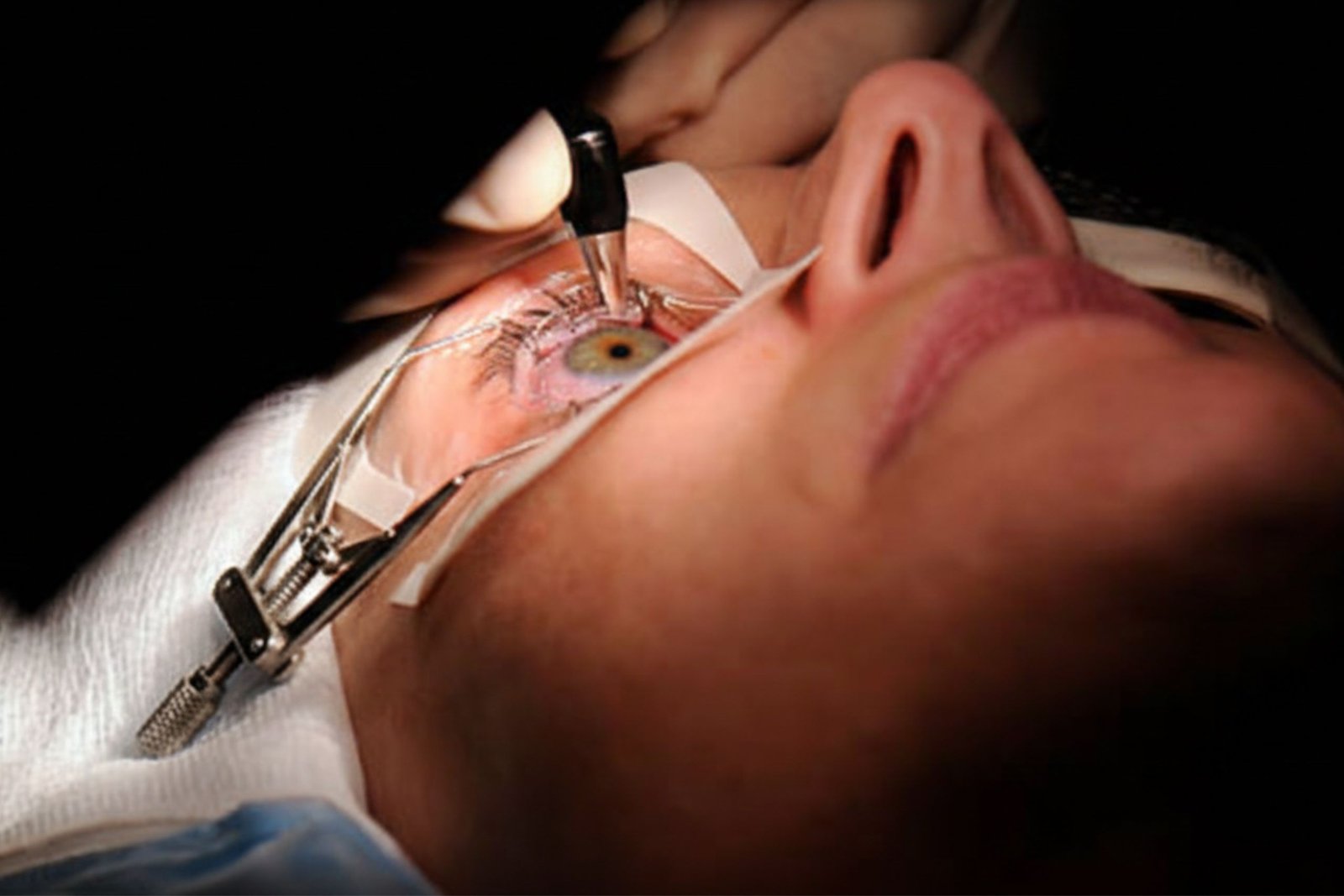
Most procedures are completed within 15 to 30 minutes and are performed under topical anesthesia. Vision improvement is often noticeable within 24 to 48 hours in laser based treatments.
How to Correct Refractive Error?
Many people ask how to correct refractive error permanently. While glasses and contact lenses provide temporary correction, surgical options offer long term solutions.
The main methods to correct refractive error include:
- Spectacles
- Contact lenses
- Laser vision correction procedures
- Lens based surgical procedures
For individuals seeking freedom from glasses, refractive procedures are often preferred due to predictable and stable outcomes.
Types of Refractive Surgery Available
When discussing what is refractive surgery, it is important to understand the different treatment options.
1. LASIK
Laser Assisted In Situ Keratomileusis is the most commonly performed refractive procedure worldwide. More than 40 million LASIK procedures have been performed globally.
- Procedure time 10 to 15 minutes
- Visual recovery within 24 to 48 hours
- Success rate approximately 96 to 98 percent
2. PRK
Photorefractive Keratectomy is suitable for patients with thinner corneas.
- No corneal flap created
- Recovery time 3 to 5 days
- Long term results similar to LASIK
3. SMILE
Small Incision Lenticule Extraction is a minimally invasive laser procedure.
- Smaller incision compared to LASIK
- Reduced dry eye incidence
- Fast healing and visual stability
4. Implantable Collamer Lens ICL
Ideal for high refractive errors.
- Lens implanted inside the eye
- Suitable for very high myopia
- Reversible procedure
5. Refractive Lens Exchange
Recommended mainly for patients above 45 years.
- Natural lens replaced with artificial lens
- Corrects presbyopia
- Prevents future cataract formation
These procedures fall under the category of advanced eye surgery and are performed using highly precise computer guided laser systems.
Who Is a Good Candidate?
You may be eligible if you:
- Are 18 years or older
- Have stable eye power for at least 12 months
- Have healthy corneas
- Do not have active eye infections or uncontrolled systemic conditions
A complete pre surgical evaluation including corneal mapping, retinal examination, and tear film assessment is essential before proceeding with advanced eye surgery.
Benefits of Refractive Surgery
Understanding what is refractive surgery also involves knowing its advantages:
- Reduced or complete elimination of glasses
- Improved visual clarity
- Enhanced quality of life
- High long term stability
- Rapid recovery in most cases
Most patients return to routine activities within 1 to 3 days depending on the procedure.
Risks and Safety
Refractive surgery is considered safe when performed by experienced surgeons.
Mild side effects may include:
- Temporary dryness
- Glare or halos at night
- Mild light sensitivity
Serious complications occur in less than 1 percent of appropriately selected patients according to published clinical studies.
Conclusion
To summarize clearly:
- What is refractive surgery? It is a surgical procedure that permanently corrects refractive errors by reshaping the cornea or replacing the lens.
- What is refractive surgery for eyes? It is a treatment designed to improve light focusing and reduce dependence on glasses.
- What is refractive eye surgery? It is a safe and effective long term vision correction solution.
With modern advanced eye surgery techniques, vision correction has become safer, faster, and more precise than ever before.
At Desai Eye Hospitals, comprehensive eye evaluation, cutting edge laser platforms, and experienced ophthalmologists ensure safe and customized refractive surgery solutions for long term visual freedom and clarity.
Sources
- World Health Organization – World Report on Vision
- American Academy of Ophthalmology – Refractive Errors and Surgery Guidelines
- National Eye Institute – Refractive Errors Overview
- US Food and Drug Administration – LASIK Safety and Effectiveness Data
International Society of Refractive Surgery – Clinical Outcomes Reports