

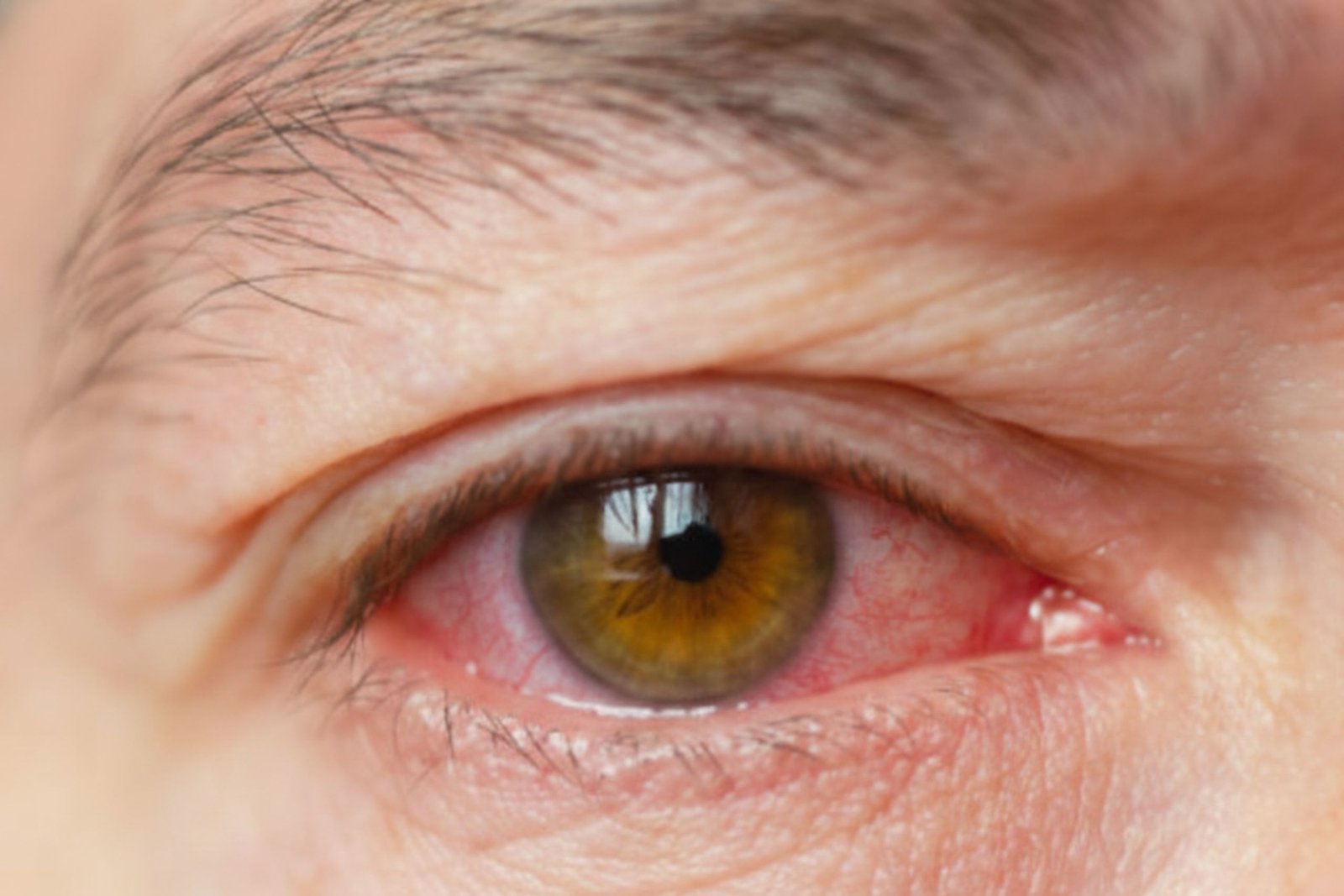
Redness, irritation, and watery discharge are common symptoms of conjunctivitis, also known as pink eye. During this time, many people ask, can I exercise with conjunctivitis, or should physical activity be avoided completely?
The answer depends on the type of conjunctivitis, its severity, and whether it is contagious. In this article, we will explain whether you can continue workouts safely, the risks involved, and the precautions you must follow.
What Is Conjunctivitis?
Conjunctivitis is the inflammation of the conjunctiva, the thin transparent layer covering the white part of the eye.
It can be caused by:
- Viral infections which account for nearly 70 to 80 percent of infectious cases
- Bacterial infections
- Allergies
- Irritants such as dust or chlorine
According to the Centers for Disease Control and Prevention, conjunctivitis is one of the most common eye conditions worldwide, especially in school-age children and young adults.
Can I Exercise With Conjunctivitis?
The most common question patients ask is, can I exercise with conjunctivitis?
In mild allergic conjunctivitis, light exercise such as walking or yoga may be safe. However, if you have viral or bacterial conjunctivitis, especially with discharge and redness, exercising in public spaces is not recommended.
Reasons include:
- High risk of spreading infection
- Increased eye irritation due to sweat
- Exposure to dust and environmental pollutants
- Risk of touching your eyes frequently
Viral conjunctivitis can remain contagious for 7 to 14 days, depending on severity.
Can I Go to the Gym With Conjunctivitis?
Another frequent concern is, can I go to the gym with conjunctivitis?
If the infection is viral or bacterial, going to the gym is not advisable. Gym equipment, towels, and shared surfaces can easily transmit the infection.
Studies show that viruses causing conjunctivitis can survive on surfaces for up to 24 to 48 hours. This increases the risk of spreading the infection to others.
Additionally, sweat entering the eyes can worsen irritation and delay healing.
It is generally recommended to:
- Avoid gyms until symptoms completely resolve
- Resume workouts only after discharge stops
- Follow medical advice before returning
When Is It Safe to Exercise?
You may resume light exercise if:
- There is no discharge
- Redness has significantly reduced
- You are no longer contagious
- Your doctor confirms recovery
Most mild viral conjunctivitis cases resolve within 1 to 2 weeks with proper care.
Precautions to Take During Recovery
If you decide to stay active at home, follow these precautions:
- Wash hands frequently for at least 20 seconds
- Avoid touching or rubbing your eyes
- Use a clean towel daily
- Do not share personal items
- Avoid swimming pools as chlorine may irritate the eyes
If symptoms worsen, such as increased pain, blurred vision, or swelling, consult a specialist immediately.
Importance of Timely Treatment
Prompt medical care reduces complications and shortens recovery time.
In rare cases, untreated bacterial conjunctivitis may lead to corneal involvement, which can affect vision. Seeking professional eye treatment in Vadodara ensures accurate diagnosis and appropriate medication.
Early eye treatment in Vadodara can prevent recurrence and protect long term eye health.
When Should You See a Doctor?
Consult an eye specialist if you experience:
- Severe eye pain
- Sensitivity to light
- Blurred vision
- Thick yellow or green discharge
- Symptoms lasting more than 10 days
Children, contact lens users, and individuals with weakened immunity should seek medical advice promptly.
Conclusion
To summarize:
- Can I exercise with conjunctivitis? Light activity at home may be safe in mild allergic cases, but public exercise is not recommended in contagious infections.
- Can I go to the gym with conjunctivitis? It is best to avoid gyms until full recovery to prevent spreading the infection.
Taking proper precautions and allowing adequate healing time protects both your eyes and others around you.
At Desai Eye Hospitals, expert specialists provide accurate diagnosis and comprehensive eye treatment in Vadodara for all types of conjunctivitis. Timely care ensures faster recovery and reduces the risk of complications, helping you return safely to your normal activities.
Sources
- Centers for Disease Control and Prevention – Conjunctivitis Pink Eye
- American Academy of Ophthalmology – Conjunctivitis Guidelines
- World Health Organization – Global Eye Health Data
- National Eye Institute – Facts About Pink Eye
- Mayo Clinic – Conjunctivitis Symptoms and Treatment