“Your eyes can reveal more about your health than you realise. Sometimes, the first signs of a thyroid problem appear in the mirror.”
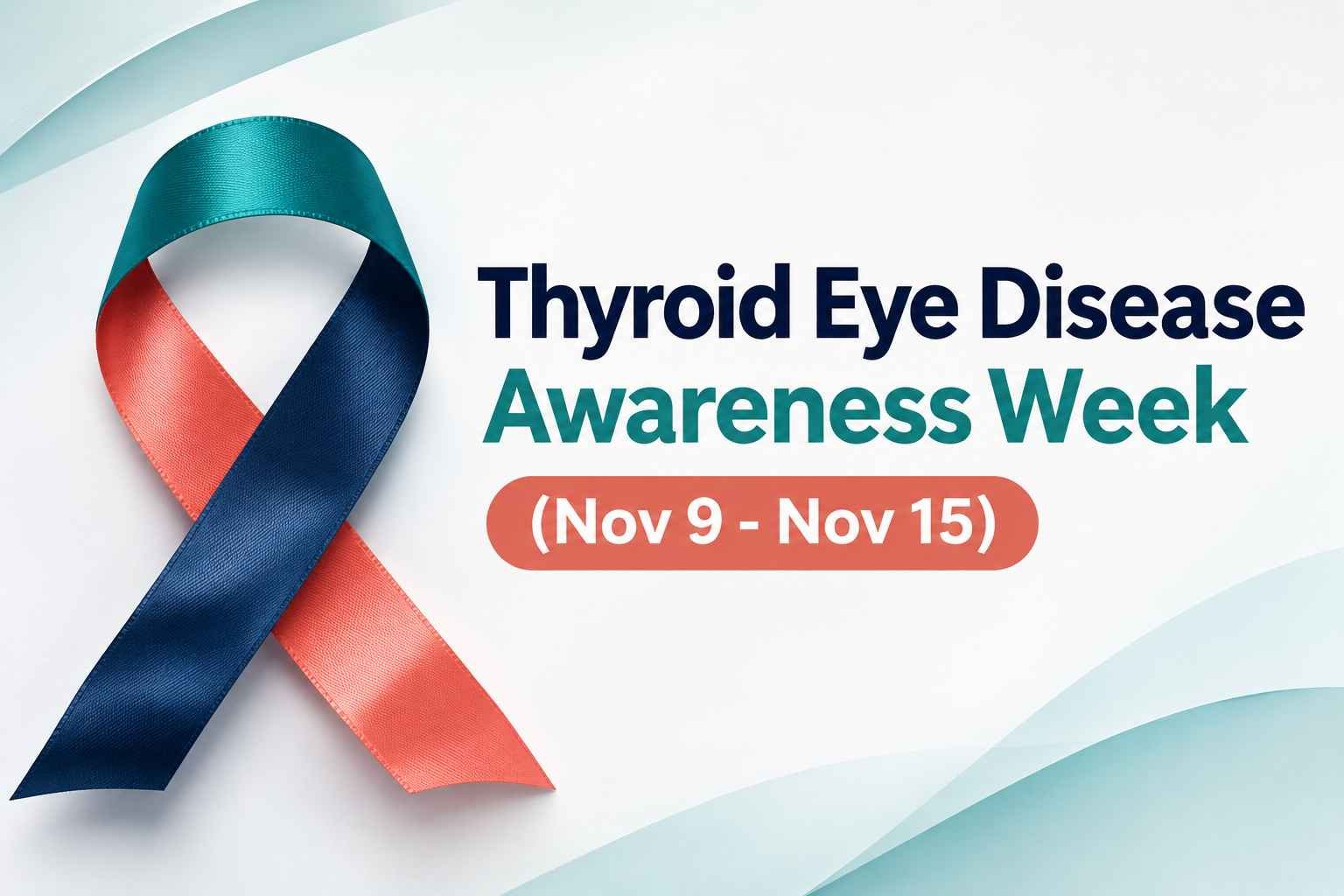
Have you noticed your eyes appearing more prominent, swollen or unusually wide? These changes may be associated with thyroid eye disease (TED), an autoimmune condition that affects the muscles and tissues surrounding the eyes. It is commonly linked to an overactive thyroid, particularly Graves’ disease, although it can also occur in people with normal or reduced thyroid hormone levels. During Thyroid Eye Disease Awareness Week, understanding why thyroid disorders can cause bulging eyes is important for recognising symptoms and seeking timely care.
For people seeking thyroid eye care in Vadodara, knowing the signs and possible complications can help support early diagnosis and appropriate treatment.
What Is Thyroid Eye Disease?
Thyroid eye disease is an autoimmune inflammatory condition in which the body’s immune system mistakenly targets tissues around the eyes. This can affect the eye muscles, connective tissues and the fat surrounding the eyeball.
Inflammation can cause these tissues to swell and increase in volume. As the eye socket has limited space, the eyeball may gradually move forward, creating a prominent or bulging appearance. This condition is known as proptosis or exophthalmos.
Although thyroid eye disease is frequently associated with Graves’ disease, it is not limited to people with hyperthyroidism. Appropriate thyroid eye care in Vadodara involves assessing both eye symptoms and thyroid health.
Why Does Thyroid Disease Cause Bulging Eyes?
The immune system produces antibodies that can interact with receptors in tissues around the eyes. This triggers inflammation and changes in the surrounding muscles and fat.
The resulting changes may include:
- Swelling of the eye muscles.
- Increased volume of fatty tissue behind the eyeball.
- Tightening and thickening of the muscles responsible for eye movement.
- Forward displacement of the eyeball.
These changes can make the eyes appear larger or more prominent. In some cases, patients may also experience difficulty closing their eyelids completely, leading to dryness and irritation.
Common Symptoms of Thyroid Eye Disease
Symptoms can vary from mild discomfort to more noticeable changes in eye appearance and function.
Common signs include:
- Bulging or protruding eyes.
- Puffy or swollen eyelids.
- Redness and persistent irritation.
- Dryness, watering or a gritty sensation.
- Sensitivity to light.
- Pressure or discomfort around the eyes.
- Double vision or difficulty moving the eyes.
- Difficulty closing the eyelids completely.
During Thyroid Eye Disease Awareness Week, it is important to remember that symptoms may develop gradually and can sometimes affect only one eye more noticeably than the other.
Sudden vision loss, reduced colour vision, severe eye pain or rapidly worsening double vision requires urgent medical assessment.
Who Is at Greater Risk?
Certain factors can increase the likelihood of developing thyroid eye disease or experiencing more severe symptoms.
Graves’ disease: This is the most common thyroid condition associated with TED.
Smoking: Smoking is a significant risk factor and can worsen the severity of the disease.
Uncontrolled thyroid levels: Both overactive and underactive thyroid hormone levels can complicate eye disease.
Family history: Genetic factors may influence susceptibility to autoimmune thyroid conditions.
Previous thyroid eye disease: People who have experienced TED may require ongoing monitoring because symptoms can change over time.
How Is Thyroid Eye Disease Diagnosed?
Diagnosis usually involves an assessment of eye symptoms, medical history and thyroid function. An ophthalmologist may examine eye position, eyelid movement, eye alignment and the ability to move the eyes in different directions.
Additional investigations may include:
- Thyroid function blood tests.
- Assessment of visual acuity and colour vision.
- Eye movement and alignment tests.
- Orbital CT or MRI scans when necessary.
A comprehensive evaluation helps determine the severity and stage of the condition. Access to appropriate thyroid eye care in Vadodara can support timely diagnosis and individualised treatment planning.
Treatment Options for Thyroid Eye Disease
Treatment depends on the severity, activity and stage of the condition. Mild cases may be managed with lubricating eye drops, protective measures and regular monitoring.
Other treatment options may include:
- Thyroid management: Maintaining appropriate thyroid hormone levels with guidance from an endocrinologist.
- Anti-inflammatory medication: Steroids may be prescribed for selected patients with active inflammation.
- Targeted medication: Certain specialised medicines may be considered for eligible patients.
- Orbital decompression surgery: In selected cases, surgery creates additional space within the eye socket to reduce pressure and forward displacement.
- Strabismus or eyelid surgery: These procedures may help address persistent double vision or eyelid changes in suitable patients, usually after the disease has stabilised.
Not every patient requires surgery. Treatment decisions should be made after a detailed assessment by the relevant specialists.
Why Early Eye Care Matters
Thyroid eye disease can affect more than appearance. Severe inflammation may compress the optic nerve, while incomplete eyelid closure can expose the cornea and cause damage.
Regular follow-ups help monitor changes and identify complications early. People experiencing new or worsening symptoms should not delay an examination.
Seeking thyroid eye care in Vadodara can help patients understand their condition, explore suitable treatment options and receive guidance on ongoing monitoring.
Protect Your Vision with Desai Eye Hospitals
Thyroid disease can affect the tissues surrounding the eyes, leading to swelling, discomfort and, in some cases, bulging eyes. Recognising these symptoms early and coordinating eye care with thyroid management can help reduce the risk of complications.
At Desai Eye Hospitals, patients can seek professional guidance for eye-related concerns and discuss appropriate evaluation and treatment options. During Thyroid Eye Disease Awareness Week, take the opportunity to understand the condition and prioritise your eye health.
Noticing bulging eyes, persistent swelling or double vision? Contact us to arrange an eye examination and discuss the next steps for your eye health.