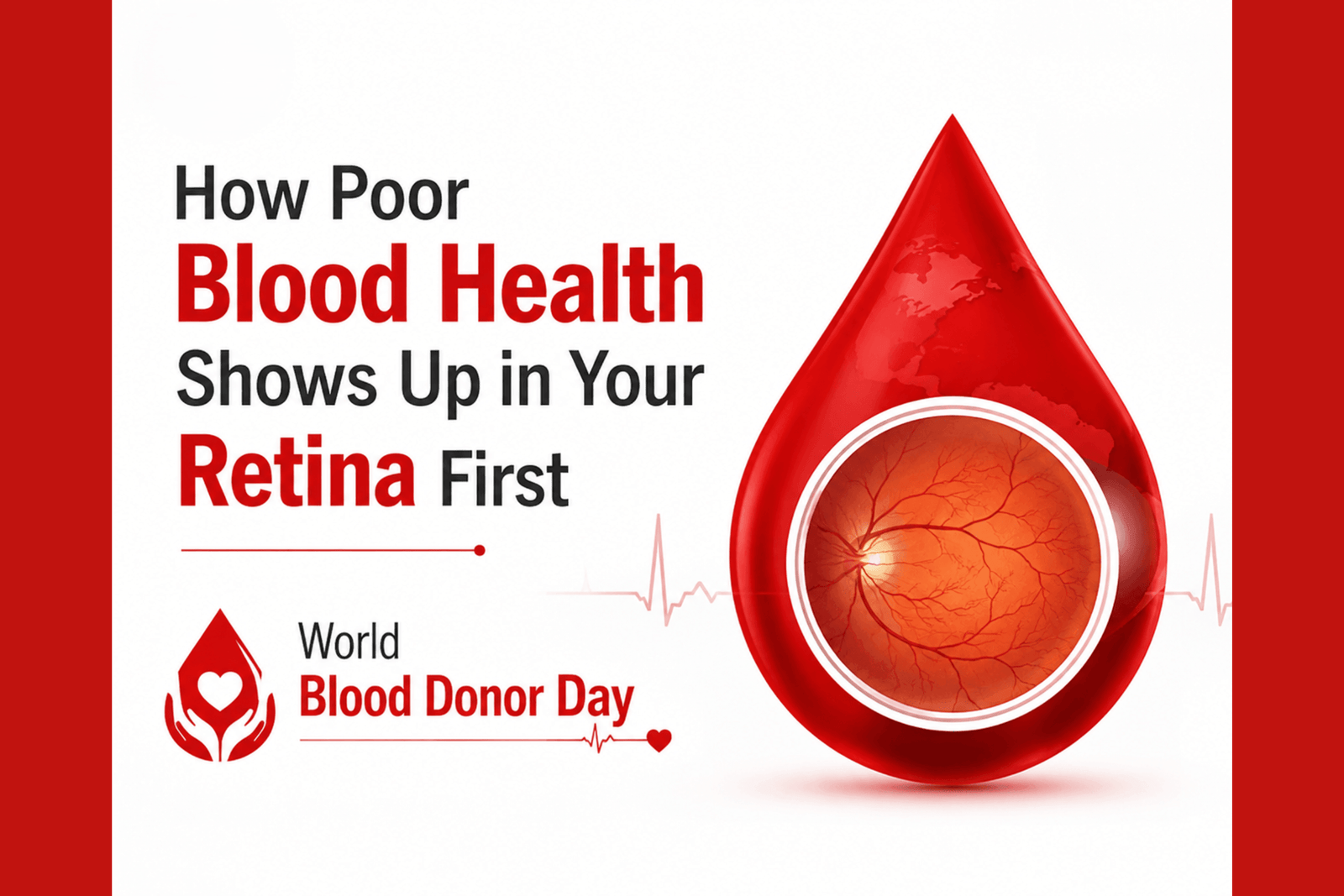
When people think about blood health, they often focus on blood tests, heart health, or overall fitness. However, one of the first places where poor blood health can become visible is inside your eyes. The retina, a delicate layer of tissue located at the back of the eye, contains tiny blood vessels that provide valuable insights into your body’s circulation and vascular health.
As we observe World Blood Donor Day, it is an excellent opportunity to raise awareness about the importance of healthy blood and proper circulation. What many people don’t realize is that the eyes offer a unique window into the body’s blood vessels, allowing eye specialists to detect early warning signs of systemic diseases before symptoms appear elsewhere.
Understanding the retinal signs of poor blood health can help individuals seek timely medical attention and protect both their vision and overall well-being.
Why the Retina Reflects Your Blood Health
The retina relies on a constant supply of oxygen-rich blood to function properly. Because retinal blood vessels are among the few blood vessels in the body that can be directly observed without surgery, eye specialists can identify abnormalities that may indicate underlying health concerns.
Any disruption in blood flow, changes in blood pressure, elevated blood sugar levels, or damage to blood vessels can leave visible signs within the retina. This strong connection between the retina and blood health makes comprehensive eye examinations an important part of preventive healthcare.
In many cases, retinal changes may appear long before a patient notices symptoms related to heart disease, diabetes, hypertension, or circulatory disorders.
Common Retinal Signs of Poor Blood Health
1. Retinal Blood Vessel Narrowing
One of the earliest indicators of poor circulation is narrowing of the retinal arteries. Reduced blood flow can occur due to high blood pressure, vascular disease, or chronic circulatory problems.
These retinal blood vessel changes may signal that blood vessels throughout the body are also being affected, increasing the risk of cardiovascular complications.
2. Retinal Hemorrhages
Tiny spots of bleeding within the retina can develop when blood vessels become weak or damaged. Retinal hemorrhages are often associated with:
- High blood pressure
- Diabetes
- Blood disorders
- Circulatory diseases
These signs should never be ignored, as they may indicate significant blood vessel damage in the eye and elsewhere in the body.
3. Cotton Wool Spots
Cotton wool spots appear as small white patches on the retina and indicate reduced blood supply to retinal nerve fibers. They are commonly seen in patients with:
- Diabetes
- Hypertension
- Autoimmune disorders
- Vascular diseases
These spots often serve as important markers of impaired circulation and poor blood health.
4. Swelling of the Retina
Poor blood circulation can cause fluid leakage from damaged vessels, leading to retinal swelling. This condition may affect vision and often requires immediate medical attention.
Retinal swelling frequently occurs in diabetic patients and individuals with vascular disorders.
Eye Signs of Poor Circulation You Should Not Ignore
Many people assume that circulation problems only affect the heart or limbs. However, several eye signs of poor circulation may develop before other symptoms become apparent.
These warning signs include:
- Blurred vision
- Sudden vision fluctuations
- Dark spots or floaters
- Reduced night vision
- Partial loss of vision
- Eye fatigue
Although these symptoms do not always indicate a serious condition, they should prompt a comprehensive eye examination to rule out underlying health issues.
The Connection Between Diabetes and Retinal Health
One of the most common examples of poor blood health affecting vision is diabetic retinopathy. High blood sugar levels gradually damage small blood vessels within the retina, causing leakage, swelling, and abnormal blood vessel growth.
Without proper treatment, diabetic retinopathy can lead to severe vision loss or blindness.
As diabetes rates continue to rise across India, regular retinal screenings have become increasingly important. Early detection of diabetic retinopathy in Vadodara can significantly improve treatment outcomes and help preserve vision.
Patients with diabetes should undergo routine retinal examinations even if they are not experiencing noticeable vision problems.
How Eye Exams Help Detect Systemic Diseases
Many systemic diseases leave visible clues within the retina. In fact, an eye exam for systemic diseases can sometimes reveal health concerns before they are diagnosed through other medical tests.
Eye specialists may identify signs associated with:
- Diabetes
- High blood pressure
- Cardiovascular disease
- Stroke risk
- Blood disorders
- Autoimmune conditions
- High cholesterol
This is one reason why regular eye examinations are increasingly recognized as an essential component of preventive healthcare.
The relationship between eye health and circulation demonstrates that eye care is about much more than vision correction. It can play a critical role in protecting overall health.
Who Should Schedule a Retinal Health Check-Up?
A retinal evaluation is especially important for individuals who:
- Have diabetes
- Have high blood pressure
- Have high cholesterol
- Smoke regularly
- Have a family history of vascular disease
- Experience unexplained vision changes
- Are over 40 years of age
A routine retinal health check-up in Vadodara can help identify potential issues before they progress into serious vision or health complications.
Early diagnosis allows for better management and often prevents irreversible damage.
Protecting Your Blood Vessels and Your Vision
Maintaining healthy blood circulation benefits both your eyes and your entire body. Consider these preventive measures:
- Follow a balanced diet rich in fruits and vegetables
- Stay physically active
- Monitor blood pressure regularly
- Control blood sugar levels
- Avoid smoking
- Stay hydrated
- Schedule routine eye examinations
These simple lifestyle habits can reduce the risk of vascular damage and help preserve retinal health for years to come.
Your Retina May Reveal More Than You Think
The eyes truly are a window to your overall health. From early circulation issues to serious systemic diseases, the retina often provides some of the earliest warning signs that something may be wrong.
Recognizing the retinal signs of poor blood health can lead to earlier diagnosis, timely treatment, and better long-term outcomes. This World Blood Donor Day, take a moment to appreciate the vital role healthy blood plays not only in sustaining life but also in protecting your vision.
At Desai Eye Hospital, advanced retinal screening and comprehensive eye examinations help detect vision-threatening conditions as well as underlying health concerns at an early stage. Whether you need a routine eye check-up, diabetes-related retinal evaluation, or expert retinal care, our experienced specialists are committed to helping you safeguard both your eyesight and overall health. Schedule your retinal examination today and take a proactive step toward a healthier future.