Dry eye disease has become increasingly common due to prolonged screen use, environmental pollution, and lifestyle changes. To diagnose this condition accurately, eye specialists rely on advanced diagnostic methods that evaluate tear stability. One such method is the NIBUT test, also known as Non-Invasive Break-Up Time, which measures how long the tear film remains stable on the eye surface without using dyes or invasive tools.
According to the Tear Film and Ocular Surface Society (TFOS), tear film instability is one of the primary indicators of dry eye disease, making early detection through modern testing methods essential for effective treatment and long-term eye health.
Understanding What NIBUT Means
Non-invasive Break-Up Time refers to the time it takes for the tear film on the eye surface to break apart after blinking. A shorter break-up time indicates that the tear film is unstable, which can lead to dryness, irritation, and blurred vision.
The NIBUT eye test is considered a reliable and patient-friendly method because it does not involve touching the eye or applying staining dyes. Specialists at an eye care hospital in Vadodara often use this test as part of a comprehensive eye examination to assess tear film quality and diagnose dry eye conditions accurately.
Why Eye Specialists Use the NIBUT Test
Eye specialists use the NIBUT test to detect early signs of dry eye disease and monitor the effectiveness of treatment. This test provides precise measurements that help doctors determine whether the tear film is functioning properly.
Common reasons for recommending the test include:
- Persistent dryness or irritation
- Burning or stinging sensation in the eyes
- Blurred vision during screen use
- Contact lens discomfort
- Post-surgery eye dryness
Seeking evaluation at a trusted eye care hospital in Vadodara ensures access to advanced diagnostic technology and expert guidance tailored to individual eye health needs.
How the NIBUT Eye Test Is Performed
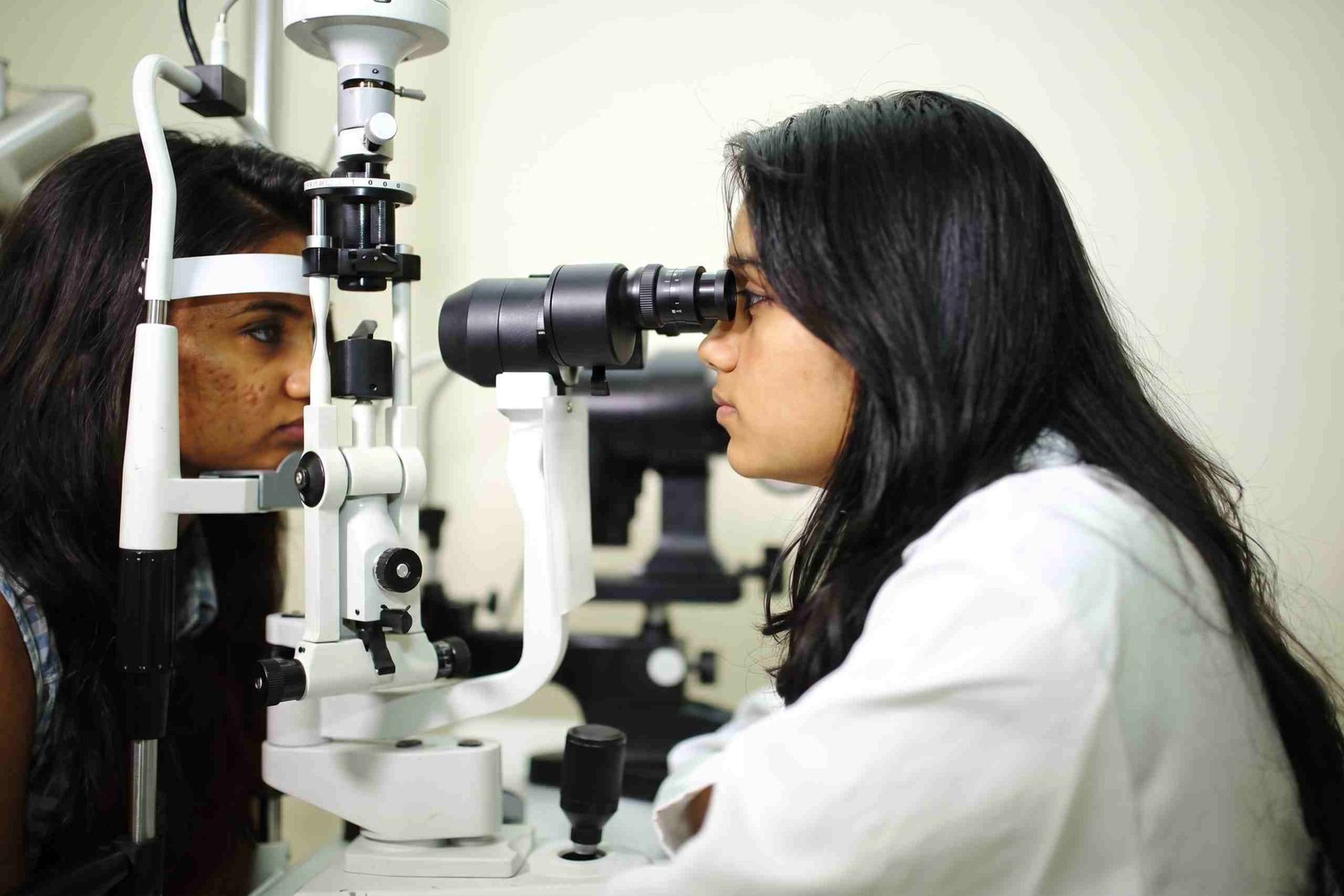
The nibut eye test is quick, painless, and non-invasive. During the test, the patient is asked to blink normally while a specialised instrument observes the tear film using light patterns or imaging technology. The device records how long the tear film remains stable before breaking.
This procedure typically takes only a few minutes and provides valuable information about tear quality and eye surface health. Patients receiving professional eye treatment in Vadodara benefit from accurate diagnosis and personalised treatment plans based on the test results.
Benefits of Early Diagnosis Using NIBUT
Early detection of tear film instability allows doctors to start treatment before symptoms become severe. Prompt management can prevent complications such as chronic dry eye syndrome, eye infections, or damage to the eye surface.
Research published in the British Journal of Ophthalmology shows that early diagnostic testing improves treatment outcomes and reduces long-term discomfort for patients with dry eye disease. Regular screening using the nibut test helps maintain comfortable and stable vision.
Treatment Options After NIBUT Testing
Once the test identifies tear film instability, specialists recommend treatment based on the severity of the condition. These treatments aim to restore tear balance and protect the eye surface.
Common treatment options include:
- Lubricating eye drops or artificial tears
- Anti-inflammatory medications
- Lifestyle adjustments, such as reducing screen time
- Specialised procedures to improve tear production
Access to reliable eye treatment in Vadodara ensures that patients receive timely care and effective solutions for managing dry eye symptoms.
When Should You Consider NIBUT Testing
Individuals who experience frequent eye dryness, irritation, or discomfort during daily activities should consider undergoing a tear film evaluation. People who spend long hours using digital devices or working in air-conditioned environments are particularly at risk.
Routine eye examinations at an experienced facility help detect problems early and prevent long-term complications.
Conclusion
The NIBUT test is a modern, non-invasive method that helps eye specialists diagnose dry eye disease quickly and accurately. Early detection and timely treatment are essential for maintaining eye comfort and protecting vision. For individuals seeking reliable diagnosis and advanced care, Desai Eye Hospitals remains committed to providing modern technology, skilled specialists, and comprehensive treatment to support healthy eyes and clear vision.
Sources:
- Tear Film and Ocular Surface Society (TFOS): Dry Eye Disease Guidelines
- British Journal of Ophthalmology: Tear Film Stability Research
- American Academy of Ophthalmology: Dry Eye Diagnosis and Management