

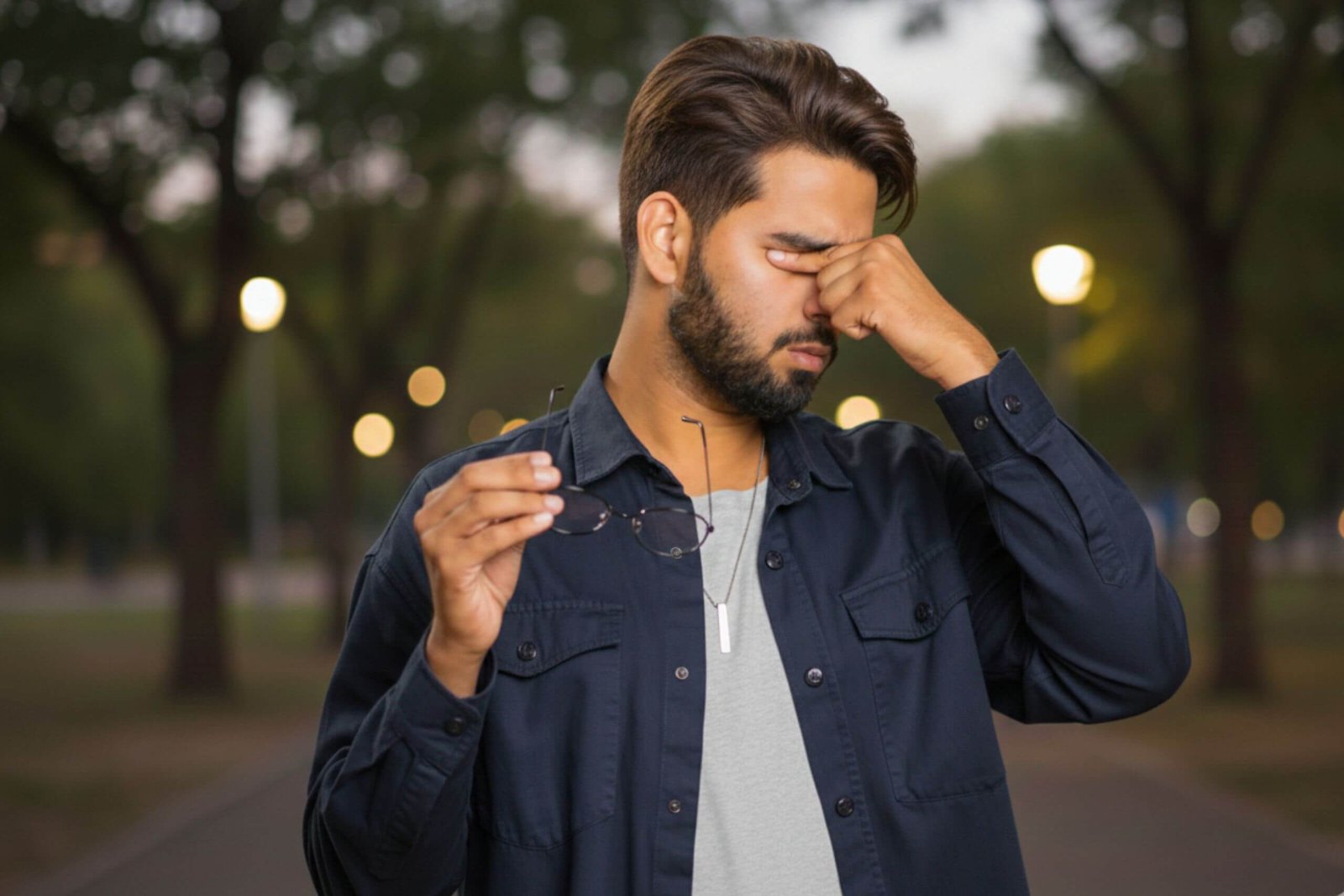
Winter brings along a pleasant time, but along with that, there are difficulties that also impact one’s eyes. Amongst these difficulties that touch most people, regardless of their ages, are that of dry eyes. The main reasons for these are that it’s a cold time, there’s a lack of moisture in the air, as well as an increase in heaters that hamper the moisture content in one’s eyes, thereby causing tears in one’s eyes to evaporate quicker.
For appropriate preventive strategies and in order to protect the eyes from long-term damage, an understanding of the scientific basics underlying the problem is necessary.
How Cold Air Causes Tear Evaporation
The eye’s surface is guarded by a thin layer of tears that maintain it in a hydrated state. In the winter season, the low temperature caused by the wind reduced the tear film in the eye. Heating in the indoors resulted in reduced humidity in the atmosphere, which hastened the evaporation of the tear film.
This results in dryness, burning, reddening, and grittiness of the eyes. During this season, patients mostly look for the relief of recurring symptoms of the eyes that hinder their day-to-day activities and refer to the best eye hospital in Vadodara for treatment.
Role of Pollution in Worsening Dry Eyes
Winter pollution significantly aggravates the condition of dry eyes. The effects of air pollution on eyes include inflammation, tear film instability and increased susceptibility to infections. Pollutants damage the delicate surface of the eye, making it more difficult for tears to remain effective.
For those living in urban areas, visiting a reputed eye hospital in Vadodara becomes essential during winter to manage the combined impact of pollution and cold air on eye health.
Symptoms That Should Not Be Ignored
Common symptoms of winter-related dry eyes include:
- Persistent dryness and irritation
- Blurred or fluctuating vision
- Sensitivity to light
- Redness and itching
- Excessive tearing as a reflex response
When left untreated, these symptoms can progress into chronic dry eye disease. Many patients rely on the best eye hospital in Vadodara for comprehensive evaluation and long-term management.
Who Is Most at Risk During Winter
Certain groups are more prone to dry eyes during colder months:
- Office professionals working long hours on screens
- Elderly individuals with reduced tear production
- Contact lens users
- Patients with diabetes or autoimmune disorders
- Individuals with previous eye conditions
These groups often require specialised care available at an advanced eye hospital in Vadodara, especially when symptoms persist despite basic remedies.
Modern Treatment Options and Advanced Care
Treatment for winter dry eyes is no longer limited to basic eye drops. With advancements in ophthalmology, patients now have access to personalised therapies and procedures through Advanced eye surgery in vadodara that address the root causes of tear dysfunction and ocular surface disease.
At the best eye hospital in Vadodara, diagnostic imaging and tear analysis allow doctors to determine the exact cause of dryness. For patients with severe cases, Advanced eye surgery in vadodara offers long-term solutions by correcting structural and functional problems of the tear glands and eyelids.
Many individuals experiencing chronic discomfort choose an established eye hospital in Vadodara for reliable treatment and modern care. Facilities offering Advanced eye surgery in vadodara help restore comfort, vision stability and overall eye health, particularly for patients whose quality of life is affected by persistent dryness.
Preventing Dry Eyes During Winter
To protect your eyes during winter, follow these practical measures:
- Avoid direct exposure to cold wind
- Use protective eyewear outdoors
- Maintain adequate indoor humidity
- Follow screen break rules during work
- Use doctor-prescribed lubricating eye drops
- Schedule routine eye check-ups at a trusted eye hospital in Vadodara
When necessary, timely consultation at the best eye hospital in Vadodara ensures early diagnosis and prevents complications that may require surgical intervention later.
Conclusion
Winter’s cold air and low humidity significantly affect tear stability, causing discomfort and vision issues. With timely care, modern treatments and options such as Advanced eye surgery in vadodara, patients can achieve lasting relief. Choosing the best eye hospital in Vadodara and a trusted eye hospital in Vadodara ensures your eyes remain healthy and protected throughout the season. For expert and compassionate care, Desai Eye Hospital continues to be a reliable choice for complete eye health solutions.